

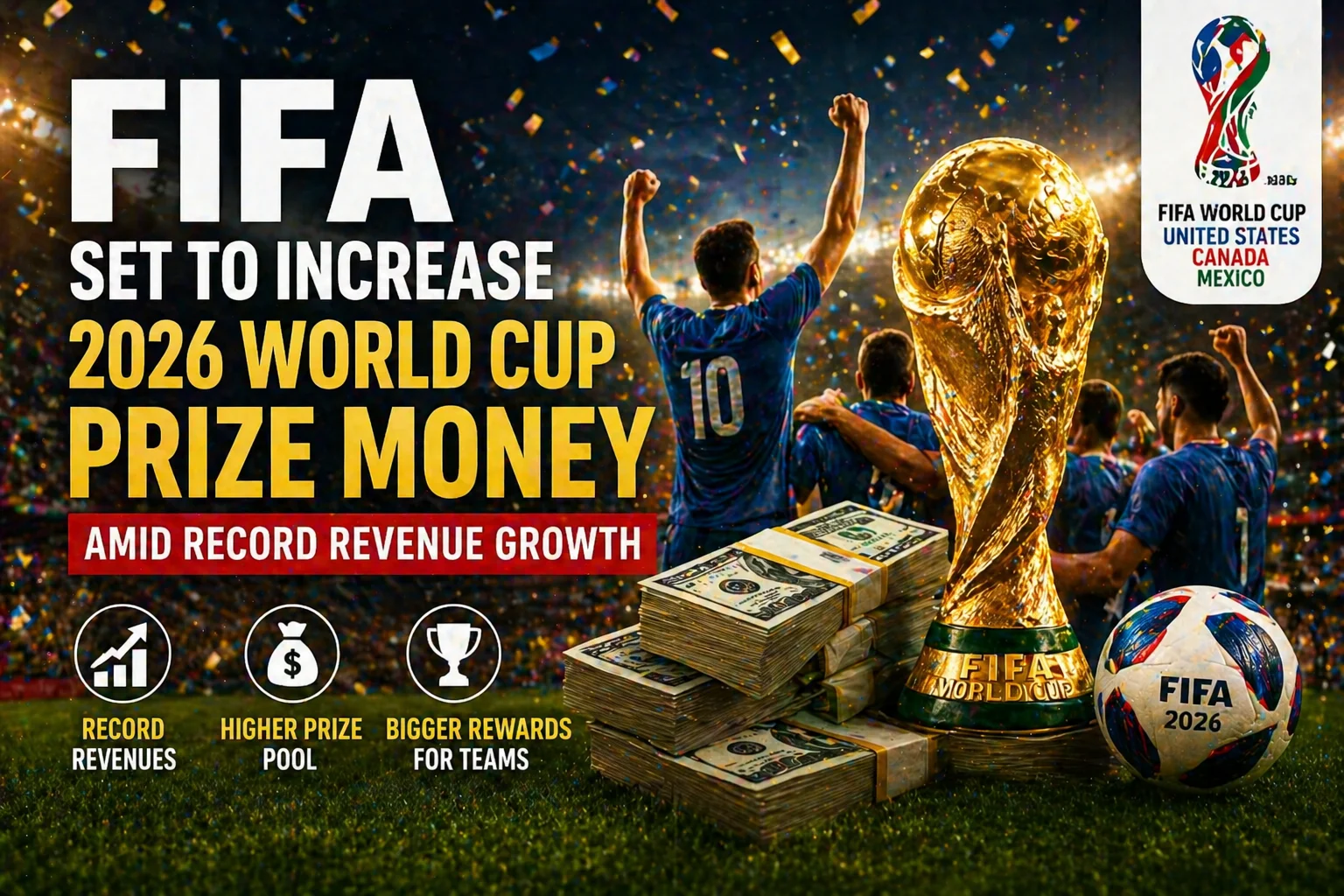
The 2026 FIFA World Cup was already shaping up to be the biggest and most financially rewarding tournament in the competition’s history. Now, FIFA is looking at increasing the prize money beyond the figures that were already being described as record-breaking.
The original prize pool announcement put the total at around $727 million — already a 50 percent jump from the 2022 Qatar edition. But fresh discussions within FIFA suggest that number is going to go higher still, with a formal decision expected at a FIFA Council meeting before the tournament kicks off.
The reasons behind the increase are a mix of FIFA’s own financial strength and legitimate concerns raised by national associations about the cost of actually showing up.
Where the Money Is Coming From
FIFA isn’t making these commitments without the revenues to back them up. The 2023–2026 cycle is projected to generate up to $13 billion for the organisation — a figure driven heavily by the 2026 World Cup’s broadcasting rights deals, global sponsorship agreements, and commercial partnerships that have grown significantly since the last edition.
The 2026 tournament, spread across the United States, Canada, and Mexico, is expected to shatter viewership records. More host cities, more matches, more teams, and arguably the world’s biggest sports market in the US all combine to make this the most commercially potent World Cup ever staged.
When FIFA generates that kind of money, the question of how much flows back to the teams participating becomes harder to deflect — especially when those teams are pointing out that participation is genuinely expensive.
Why Teams Have Been Pushing for More
This part of the story is less glamorous than the big prize figures but arguably more important.
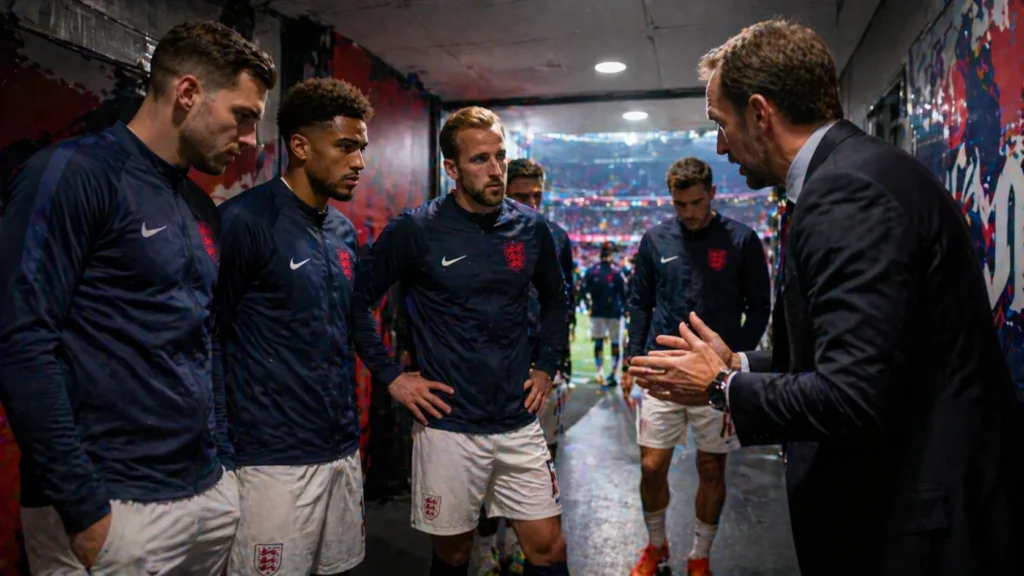
National football associations have been raising concerns about the actual cost of competing at a World Cup held in North America. Travel expenses, accommodation across multiple potential host cities, staff costs, and — particularly for non-European teams — the tax implications of earning prize money in the United States all add up to a financial burden that isn’t fully offset by current payouts.
For some smaller football nations, getting through the group stage and receiving the participation payment isn’t just a nice bonus — it’s what makes the whole trip financially viable. And at current costs, even that isn’t always enough.
FIFA expanding the prize pool to address this concern is the right call, and it reflects a genuine understanding that a 48-team tournament needs the financial model to match its stated ambition of being more inclusive globally.
The Prize Money Breakdown — What Teams Actually Earn
Here’s how the money currently breaks down, before any further increase is factored in:
World Cup winner: approximately $50 million Runner-up: approximately $33 million Group stage exits: approximately $9 million per team Preparation funds (all participants): approximately $1.5 million per team
Even the floor — the amount a team receives just for qualifying and competing in the group stage before being eliminated — is significant. $9 million for a three-game group stage run gives smaller nations real financial resources to reinvest in their programmes.
The $1.5 million preparation fund is also worth noting. That money goes specifically toward training camps, travel, and setup costs before a ball is even kicked. For associations that operate on tighter budgets, it removes a meaningful barrier to arriving at the tournament properly prepared.
When the final increase is confirmed, all of these figures are expected to rise.
The 48-Team Format Changes Everything
Part of what makes 2026 different isn’t just the prize money — it’s the scale of the whole thing.
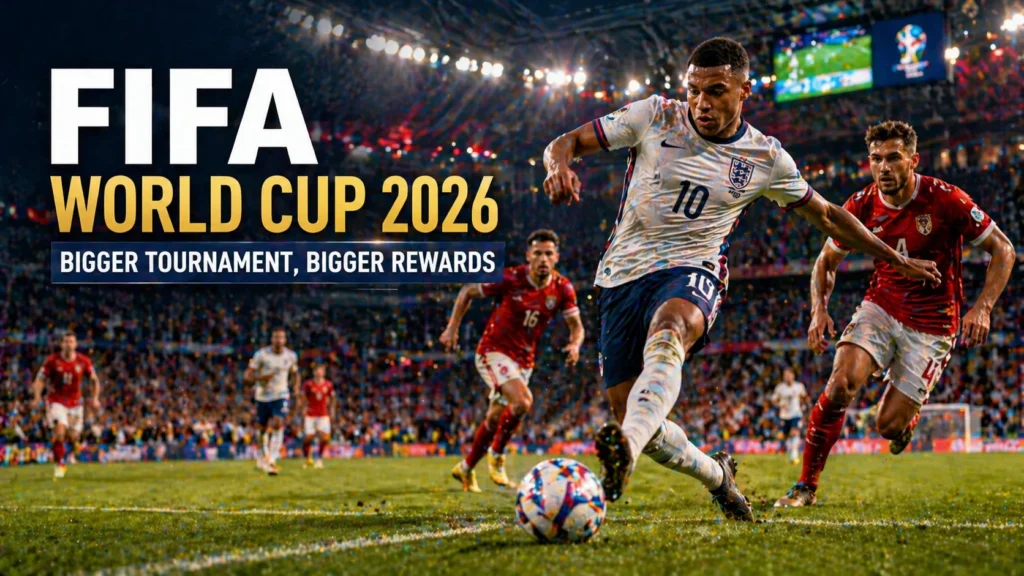
For the first time, 48 teams will compete in the World Cup rather than 32. That’s 16 additional nations, 16 additional sets of coaching staff and squads flying in, training, competing, and engaging with the tournament’s commercial ecosystem. The number of matches increases significantly. The pressure on infrastructure and logistics is substantially higher.
More teams means the prize distribution needs to work differently. You can’t have the same number of participants receive meaningful payouts at a 48-team tournament if the prize pool stays calibrated for 32. FIFA’s increase effectively ensures that the expanded field of nations all receive amounts that justify the investment of competing.
It also means more of the world gets a share of the tournament’s commercial success — which is presumably part of what FIFA means when it talks about using the World Cup to develop global football.
What It Means in Practice
For the major footballing nations — the traditional powers who expect to go deep into the tournament — the prize money increase is a nice addition but not transformative. For them, World Cup revenue is one line item among many.
For smaller nations, the calculation is different. A national football association that operates on a limited annual budget and receives $9 million for a group stage exit — or potentially more after the increase — has real resources to work with. Better training facilities, improved youth development infrastructure, the ability to attract and retain coaching talent, more competitive preparation for future tournaments.
This is how prize money distribution at major tournaments actually affects the sport’s development at the grassroots level. The numbers flow down.
The Broader Context
The FIFA World Cup’s commercial trajectory has been moving in one direction for decades — upward and accelerating. The 2026 tournament’s positioning in North America, combined with the expanded format and the continued growth of football’s global following, makes it almost certain that it will set new financial records across every relevant metric.
The question of how much of that wealth gets distributed back to the teams who actually play in the tournament — and by extension, to the development of football in countries that don’t already have abundant resources — is one that FIFA has been under pressure to answer more generously for some time.
The prize money increase, when formally confirmed, represents a step in the right direction. Whether it goes far enough will depend on the final figures and how effectively the funds actually reach the associations that need them most.
For now, the direction of travel is clear: the 2026 World Cup is going to be the richest tournament in history, and more of that money is going to flow to the teams competing in it than ever before.