

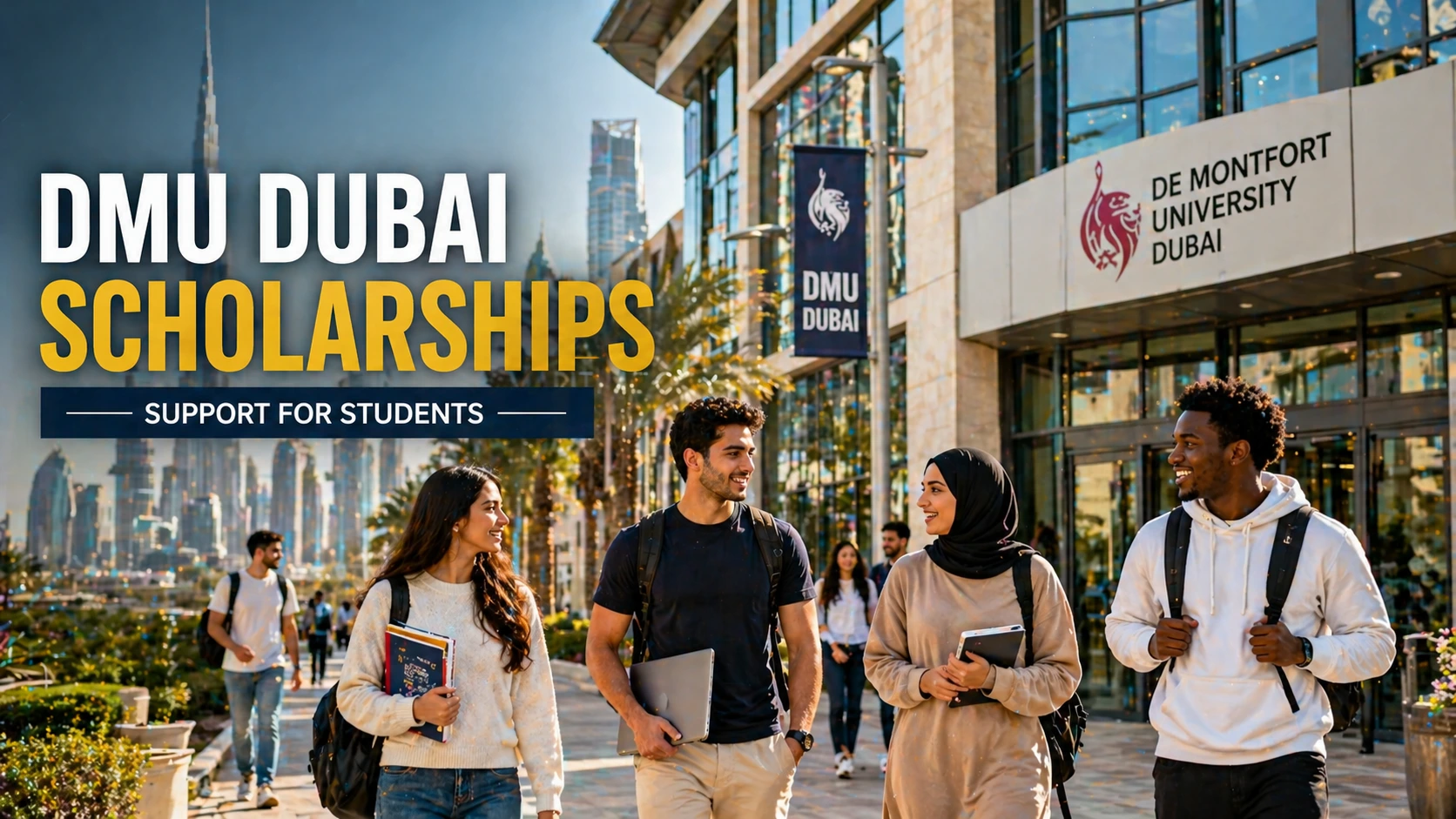
The cost of studying abroad is one of the first things prospective students think about, and for good reason. Tuition, accommodation, living expenses — it adds up quickly, and for international students especially, the financial planning required can feel overwhelming.
De Montfort University Dubai has been taking that concern seriously, and the package of scholarships and relief measures currently available reflects that. At the same time, the university is bringing students back to campus in full, which changes the experience in ways that matter.
DMU Dubai is offering meaningful scholarship support — up to 40 percent of tuition for international students — alongside flexible payment plans that make costs manageable across the year. Campus learning is fully back, which matters for the career-focused programs the university specializes in.
And Dubai itself remains one of the more strategically useful cities in the world to be a student with career ambitions. If you’re considering studying in the UAE, the current package at DMU Dubai is worth a proper look. Here’s a look at what’s actually on offer and what the return to in-person learning means in practice.
The Scholarships — What’s Actually Available
DMU Dubai has structured its scholarship program across several categories, which means there are multiple entry points depending on your background and circumstances.
Academic Merit Scholarships are the most straightforward — if your previous academic record is strong, you can receive a tuition fee reduction of between 20 and 30 percent. The better your grades, the more you could save.
International Student Scholarships go further, covering up to 40 percent of tuition fees. These aren’t purely grade-based — they also take into account achievements in sports and community involvement, which opens the door for students who have built strong track records outside the classroom.
Beyond those two, there are also sports scholarships and community engagement awards for students with specific strengths in those areas. Early applicants can benefit from additional discounts, and there are family-based discount structures as well.
The range of options is genuinely broader than many universities offer, which means it’s worth taking the time to understand which category you fall into rather than assuming you only qualify for one type of support.
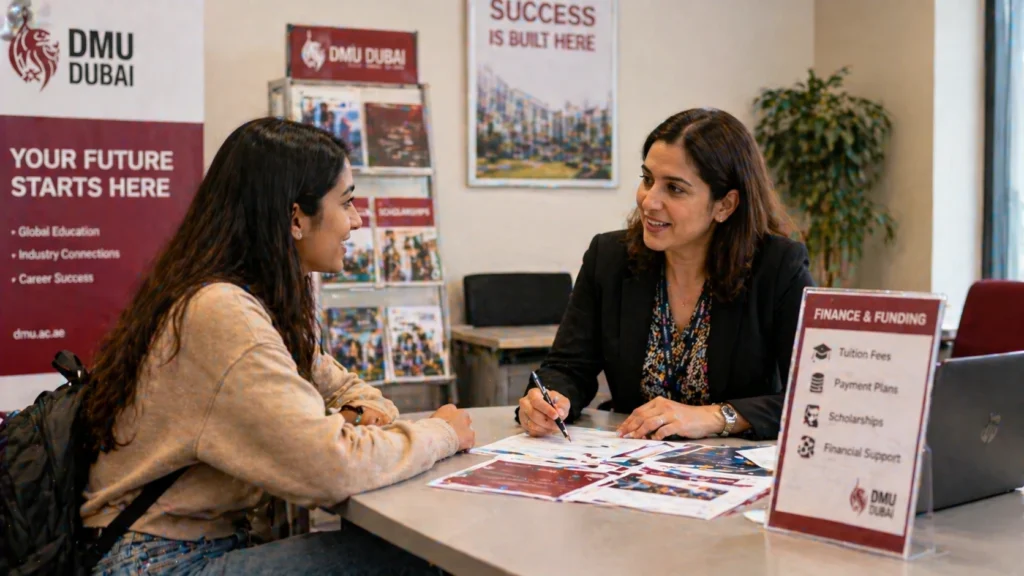
The Relief Measures — Flexible Payment That Makes a Difference
Scholarships reduce the overall cost, but payment flexibility is what actually makes day-to-day financial management easier. DMU Dubai has introduced structured installment plans that allow students to spread tuition payments across the academic year rather than paying large sums upfront.
For international students managing accommodation costs, visa expenses, and living costs on top of tuition, this kind of flexibility is practical rather than just symbolic. Knowing that your tuition payments are spread out in a manageable schedule removes one significant source of financial stress.
The university has been explicit that financial challenges shouldn’t become a barrier to completing a degree — and the payment structure reflects that commitment more concretely than just saying it.
What the Return to In-Person Learning Actually Means
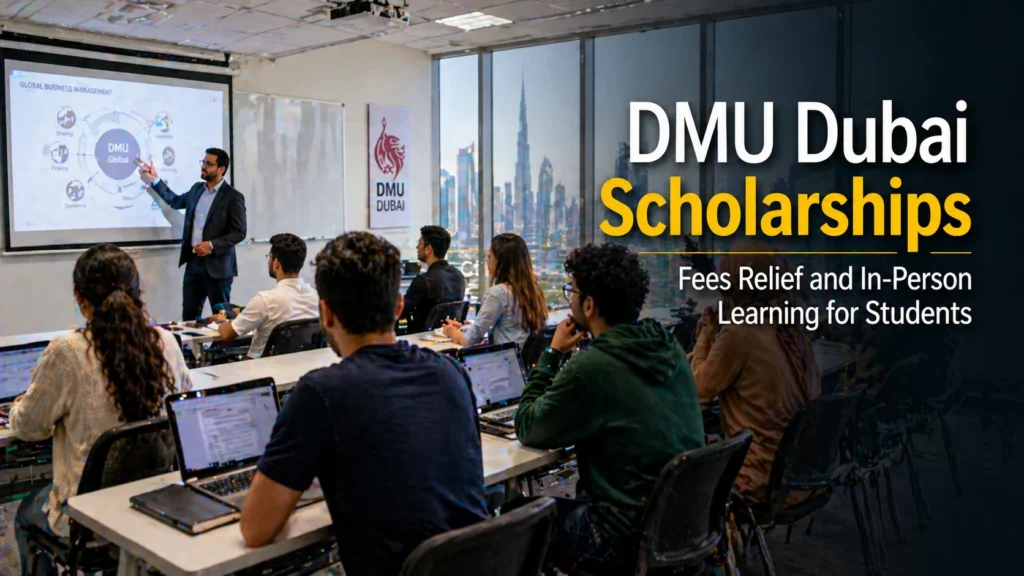
Campus life is back fully at DMU Dubai, and this matters more than it might sound.
The past few years of disrupted learning showed something important — online education works for some things and falls short for others. The spontaneous conversation after a lecture, the group project that develops into genuine teamwork, the relationship with a faculty member that eventually leads to a reference or an introduction — these things happen in person or they don’t really happen at all.
DMU Dubai’s programs are particularly career-focused, and that makes in-person learning especially valuable. Business, computing, engineering, media, design — all of these disciplines benefit from direct interaction, hands-on work, and the kind of peer learning that comes from being in the same room as people who are going into the same industry you’re heading toward.
The facilities themselves are modern and well-equipped, which makes the physical campus experience worth showing up for rather than something students tolerate on the way to their degree.
Why Dubai as a Study Location Still Makes Sense
The choice of where to study is never just about the university — it’s about the environment you’ll be living and developing in for three or four years.
Dubai has specific advantages for students that are genuinely worth factoring in. The city is a working global business hub with a significant presence of multinational companies across industries. That means internship opportunities, industry connections, and the chance to understand how global commerce actually operates — not from a textbook, but from being in proximity to where decisions are being made.
The cultural diversity of Dubai also creates a study environment that prepares you for working across different cultures and contexts, which is increasingly a practical requirement rather than a nice-to-have in most career paths.
UK-accredited degrees delivered in Dubai mean you’re earning a qualification with international recognition while living in a city that gives you direct access to the kind of professional network that takes years to build from scratch elsewhere.
Also Read: 7 Best Evening Brunches in Dubai for Skyline Views and Party Nights
A Practical Note on Decision-Making
If you’re comparing DMU Dubai with other study options, the scholarship and payment flexibility picture is worth mapping out in detail rather than just comparing headline tuition numbers.
A 40 percent scholarship on tuition combined with a structured payment plan looks very different in practice than a slightly cheaper headline fee with no financial flexibility. Factor in what Dubai specifically offers in terms of career access and industry proximity, and the full value calculation becomes more interesting than a straightforward cost comparison.
The university’s admissions team and financial advisors are the right people to talk to about which scholarships you specifically qualify for — but knowing the range of what’s available is the right starting point.