

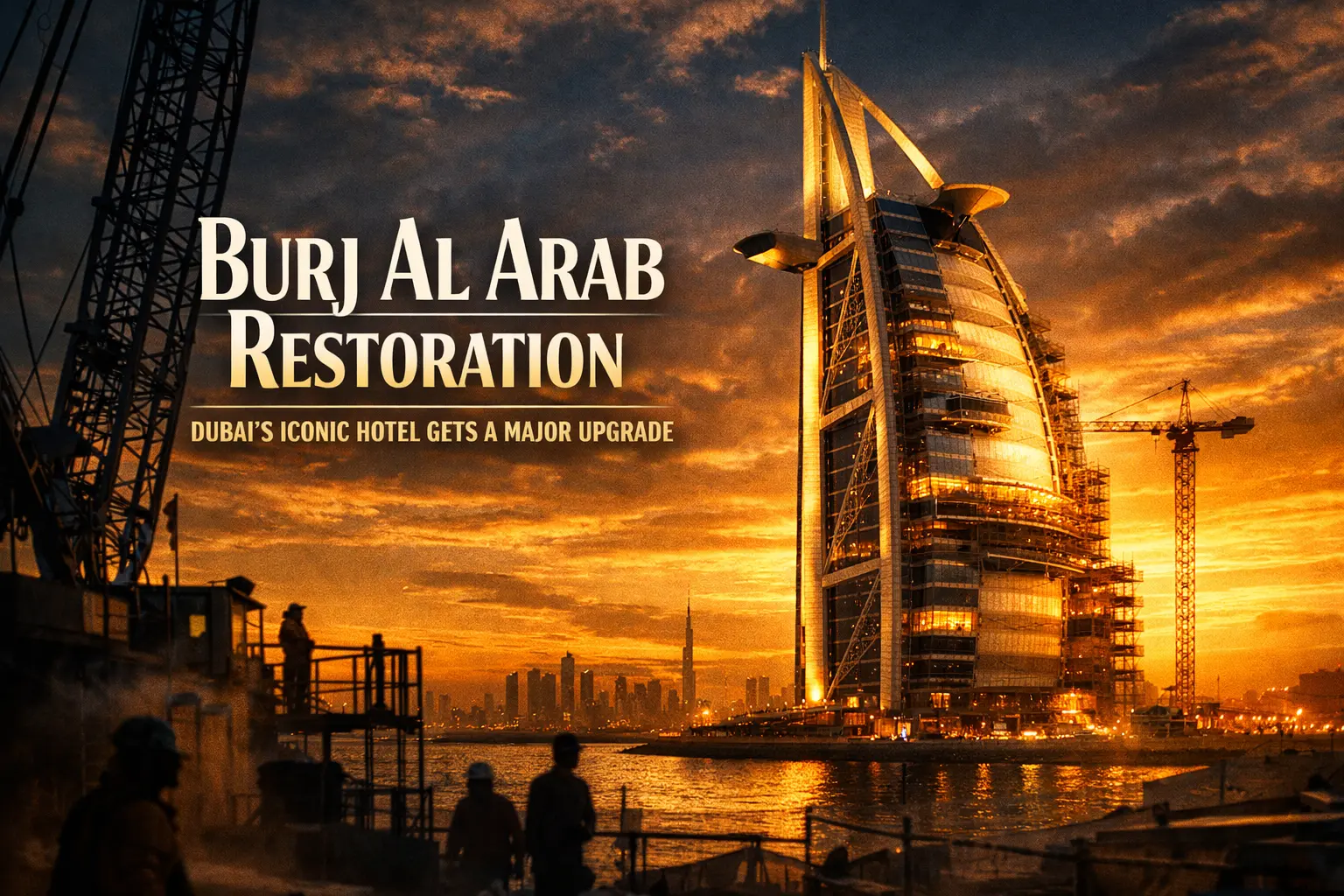
Let’s be honest — when you think of Dubai, one image almost always comes to mind first. That unmistakable sail rising out of the sea. The Burj Al Arab.
Well, that icon is about to get a serious upgrade. The hotel is heading into an 18-month restoration, and if you know anything about how Dubai operates, you already know they’re not going to do it halfway.
This Hotel Practically Built Dubai’s Reputation
Back in 1999, nobody had seen anything quite like it. A hotel sitting on its own man-made island, shaped like a giant sail, shooting 321 metres into the sky above the Arabian Gulf. It felt less like a building and more like a declaration — Dubai had arrived, and it wasn’t playing small.
The “seven-star” label wasn’t even an official thing. People just started saying it because nothing else seemed to fit. Celebrities checked in. World leaders visited. Photographers flew from across the globe just to get a shot of it at sunset. For a hotel that had barely been open a few years, that kind of attention was remarkable. Twenty-five years later, it still carries that weight.
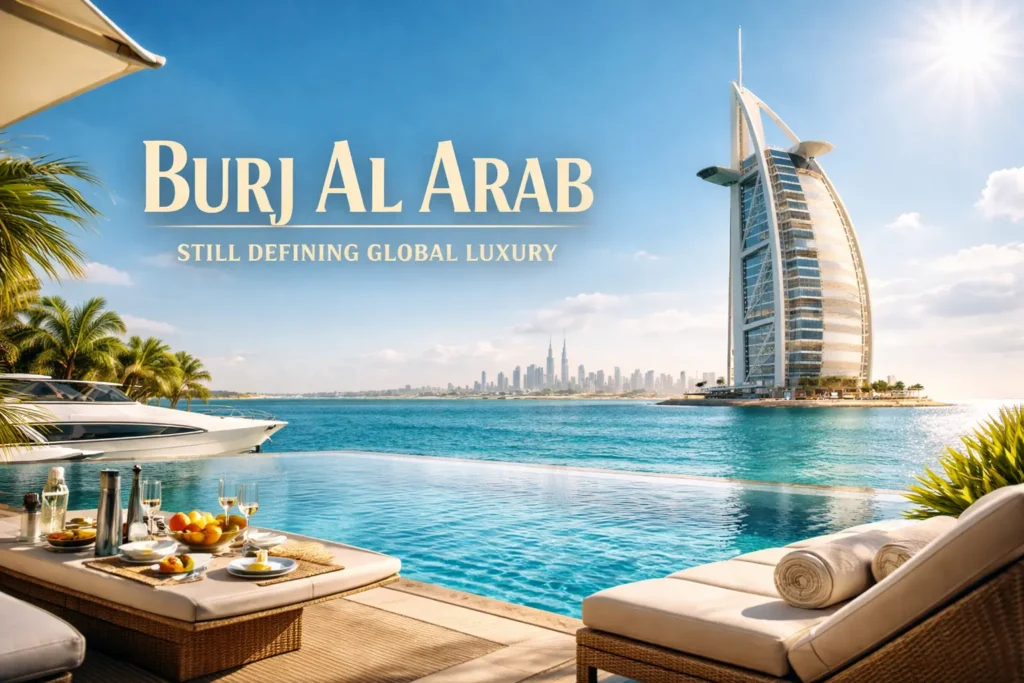
Why Fix Something That Isn’t Broken?
Fair question. But here’s the thing — luxury in 2025 looks very different from luxury in 1999.
Today’s guests aren’t just looking for gold-plated everything. They want rooms that feel genuinely personal. They expect technology that works seamlessly in the background. They care about sustainability in ways that guests two decades ago simply didn’t. The bar hasn’t just moved — it’s shifted entirely.
Dubai understands this better than most. Letting the Burj Al Arab coast on its name alone would eventually catch up with it. This restoration is really about staying ahead of the curve before the curve becomes a problem.
The Real Challenge — Updating Without Ruining It
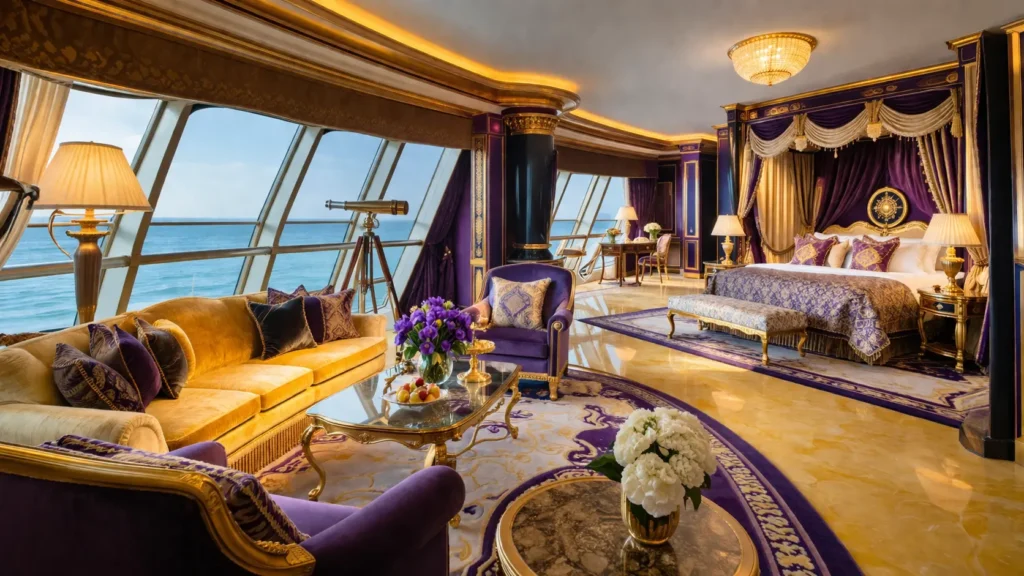
This is where it gets interesting. You can’t just gut one of the most photographed hotels on earth and start fresh. The towering atrium, the dramatically decorated suites, that feeling of walking in and having your breath genuinely taken away — those things are the Burj Al Arab. Touch them carelessly and you’ve broken what makes it special.
From what’s been shared, the approach is more surgical than sweeping. Think smarter room technology, better energy systems, refined service touches — improvements that a guest would feel immediately but couldn’t necessarily point to on a floor plan. The goal is for it to feel elevated, not unfamiliar.
A Quarter Century of Setting the Standard
Here’s something worth sitting with. Most hotels that opened in 1999 have either closed, been rebranded, or quietly faded into the background. The Burj Al Arab is still the reference point. Still the hotel that other luxury properties get compared to, whether they like it or not.
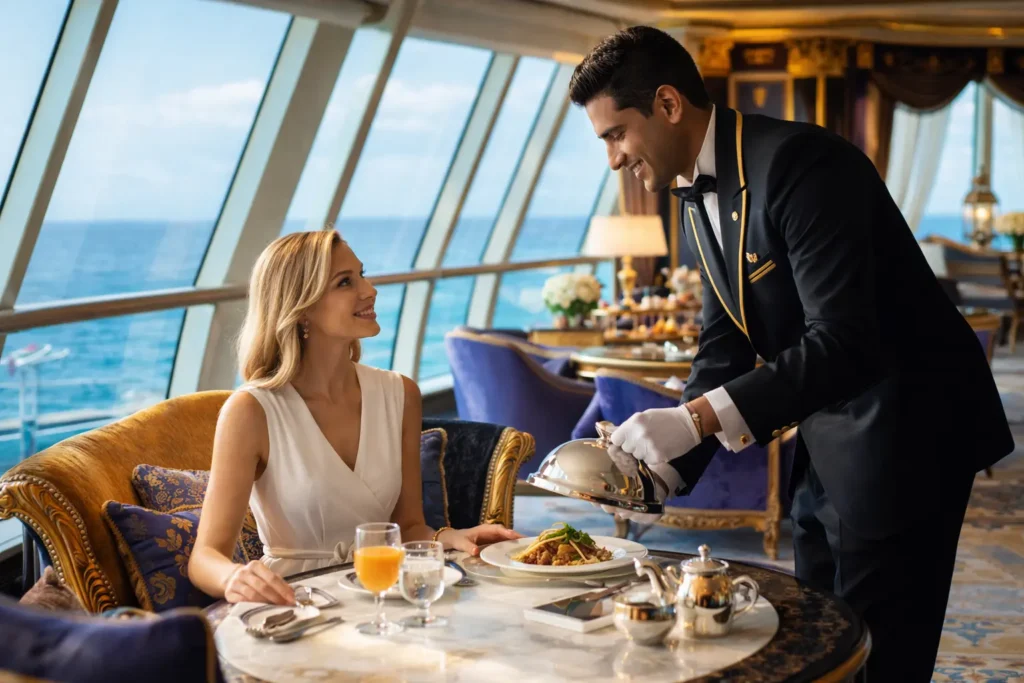
That’s not luck. It’s the result of a product that genuinely delivered on its promise and a city that never stopped investing in it. The butler service, the helicopter transfers, the suites that feel more like private apartments — these weren’t just marketing gimmicks. They set a standard that the industry is still chasing.
Also Read: DP World ILT20 Season 5 to Begin on November 22; Final Set for December 20 in Dubai
Dubai Doesn’t Do Nostalgia — It Does Evolution
One thing you notice about Dubai is that it rarely gets sentimental. It doesn’t preserve things simply because they’re old. It preserves them because they still serve a purpose — and then it makes them better.
That’s exactly what this restoration represents. It’s not a museum piece being carefully maintained behind glass. It’s a working, breathing landmark being sharpened for the next chapter. The city is essentially saying: this thing still matters, and we’re going to make sure it keeps mattering.
What Guests Can Actually Expect
Once the dust settles and the hotel reopens fully, visitors should notice the difference immediately — not because everything looks different, but because everything feels sharper. Better technology woven into the experience. More thoughtful comfort. Service that’s been refined rather than reinvented.
The soul of the place — the drama, the sheer scale, the sense that you’re somewhere genuinely extraordinary — that won’t change. If anything, this restoration is really just clearing away 25 years of wear to let that soul breathe again.
Some buildings are just hotels. The Burj Al Arab has always been something else. And by the looks of it, Dubai intends to keep it that way.