

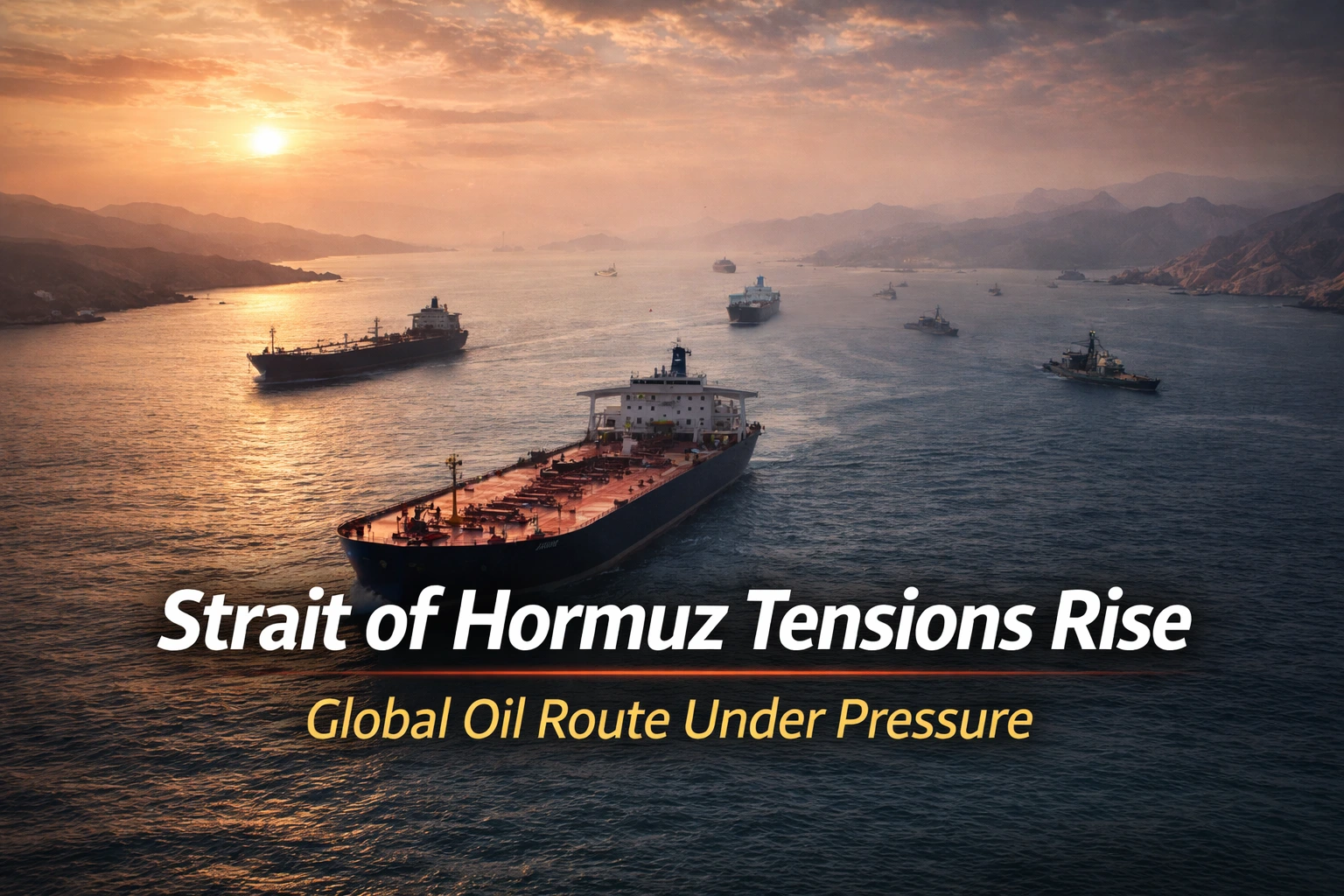
The Middle East situation has become even more tense with the UAE, Iran, and global powers keeping a close eye on the development. Recent accidents, like falling debris in Dubai, have contributed to the fear of stability in the region. These are happening in an environment where the geopolitical risks are already high.
It has now turned to the Strait of Hormuz, which is one of the most important oil routes in the world. Any disturbance in this sector can directly affect the international energy markets and supply chains.
Table of Contents
Trump Sets Deadline for Iran Over Strait of Hormuz
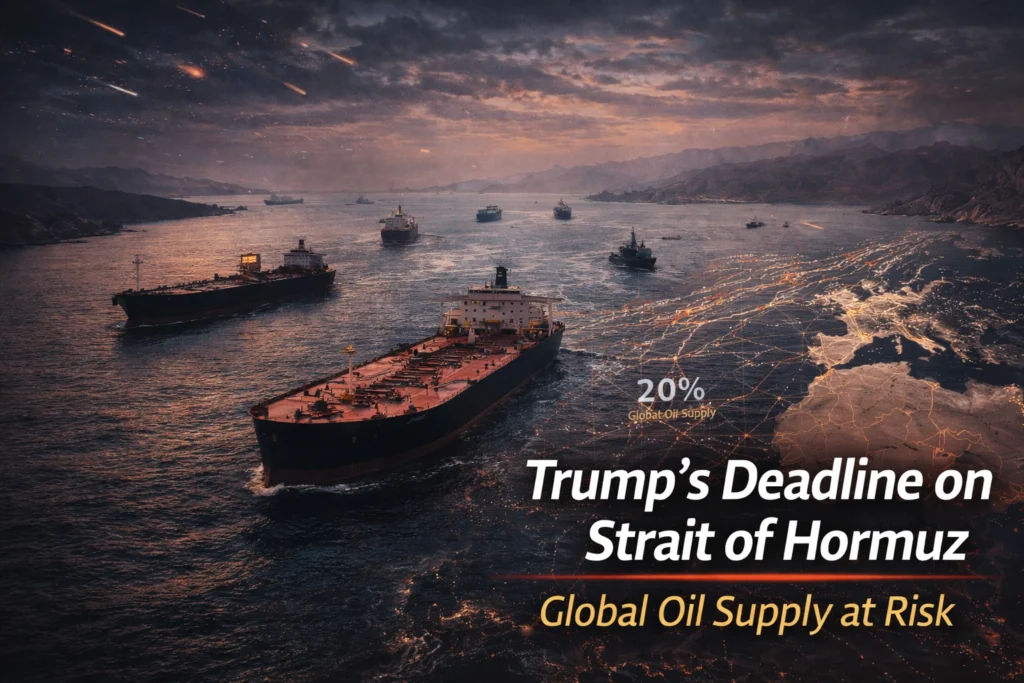
Recent reports state that US President Donald Trump has set an ultimatum on Iran concerning the Strait of Hormuz. The deadline is reported to be on Tuesday evening, putting more pressure on Iran to act.
This has greatly increased the international concern since the Strait of Hormuz is involved in a major portion of oil deliveries in the world. Any increase would impact the fuel prices and international trade.
Why the Strait of Hormuz Matters
The Strait of Hormuz is a thin passage that links the Persian Gulf with the rest of the shipping routes worldwide. It is among the largest oil transportation choke points.
This route carries a large percentage of the crude oil in the world on a daily basis. This renders it a major strategic position of economic and military interests.
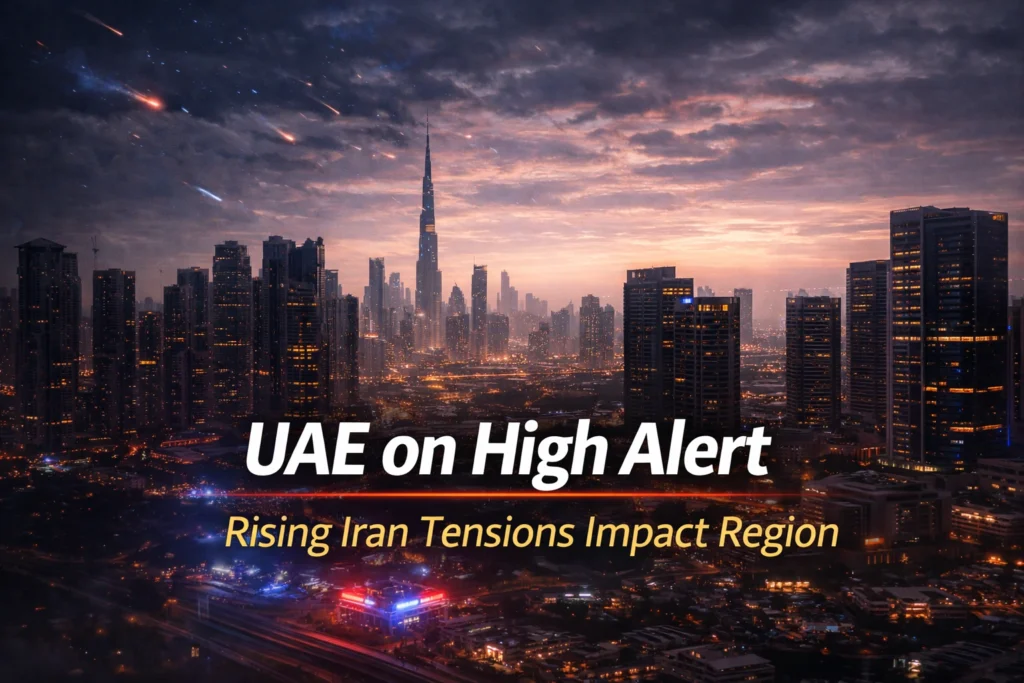
Dubai Incident Adds to Concerns
In this situation of tensions, there was a strange case of falling debris that happened in Dubai recently. The debris, which was connected to an aerial interception, hit a structure in Dubai Internet City.
Governments assured that there were no reported injuries, and the situation was contained. But the event also underlined the indirect impact of regional battles even in such a stable city as Dubai.
Aerial Interceptions and Regional Security
Air defense systems have been on high alert, intercepting any threats in the area. Such systems are aimed at intercepting missiles or drones before they strike populated targets.
Although the effect of interceptions is mostly successful, even falling debris may become dangerous. That is why the government is still stressing safety and readiness.

Impact on the UAE and Neighboring Countries
The UAE and Kuwait are the countries that are keeping a close eye on the situation. There have been reports of heightened alertness at critical infrastructure, such as power plants and water facilities.
Regional governments are taking precautionary measures to ensure uninterrupted services. These comprise enhancing the security of key installations and staying prepared.
Global Oil Markets on Edge
Global markets are paying attention to the events that have occurred in the Strait of Hormuz. There is a fast response of oil prices to any instability in this region.
Price fluctuations can be caused even by the threat of disruption. This not only impacts the oil-producing nations but also the consumers of the world.
Dubai Maintains Stability Amid Uncertainty
Still, despite the tension in the situation, Dubai remains stable and normal. Businesses, offices, and day-to-day operations are operating normally.
The government has also assured people that they have security measures. The city is ready to respond to such incidents, such as the recent debris strike.
Public Safety Guidelines and Awareness
Authorities have called on their citizens to stay calm and act on safety guidelines. Under alerts, it is recommended that people reduce unnecessary travel and use official means.
Uncomplicated precautions can help mitigate risks in uncertain situations. The authorities are also making sure communication is clear and timely.
Also Read: Who Is Legally Responsible for AI Decisions in Business? What UAE Companies Need to Know
Regional Developments Being Closely Watched
The next few days are likely to be critical as the deadline draws near. The world leaders and the world bodies are keeping a close eye on the development of the situation.
Any action concerning the Strait of Hormuz may affect not only the stability of the region but also the economy of the world in general. It is aimed at preventing escalation and ensuring security.