

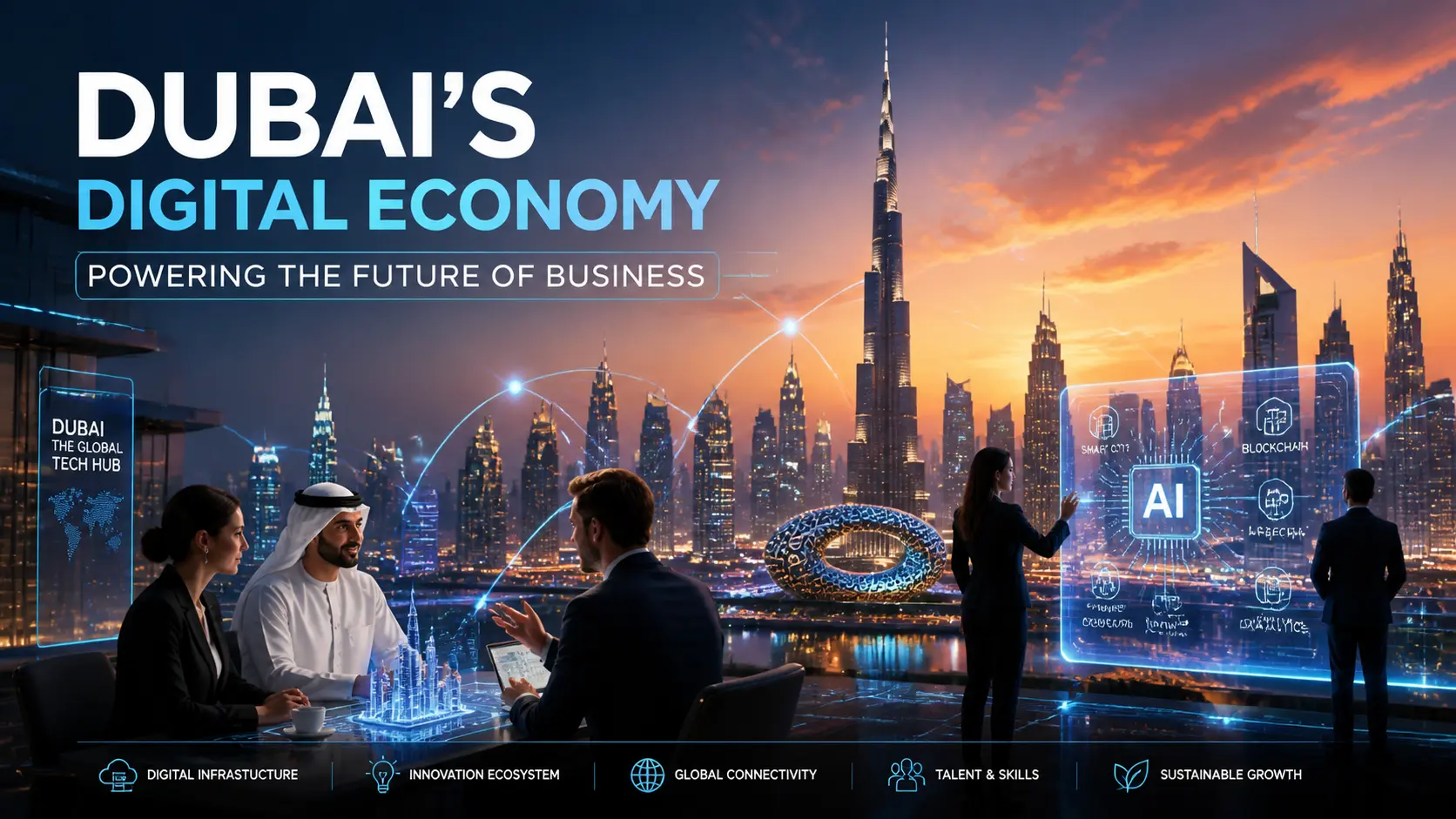
For years, Dubai has been building the kind of digital infrastructure that most cities only talk about in strategy documents. In 2026, that groundwork is starting to show real results — not just in headline investment figures, but in how businesses actually operate and grow here.
Business leaders and industry experts have been increasingly vocal about the role Dubai’s digital ecosystem plays in day-to-day decision-making. The consensus is that the city has built something genuinely useful: a connected, reliable environment where companies can scale without constantly running into regulatory walls or infrastructure gaps.
What Makes This Digital Ecosystem Different
The word “ecosystem” gets thrown around a lot in tech circles, so it’s worth being specific about what’s actually here.
Dubai combines fast, reliable connectivity with digital governance systems that are designed to reduce friction for businesses. Licensing, compliance, and regulatory processes that would take months in other jurisdictions can often be handled digitally and quickly. That’s not a small thing — it’s one of the main reasons international companies choose Dubai as a base over other regional options.
There’s also a stability factor. Global markets have been unpredictable for the past few years, and businesses are increasingly looking for locations where the rules are clear and the infrastructure doesn’t let them down. Dubai has worked hard to build that reputation, and it shows in the volume of companies choosing to set up or expand operations here.
Government and Business Are Actually Working Together
One of the things that stands out about Dubai’s approach is how well the public and private sectors are aligned. That sounds like corporate boilerplate, but in practice it means something specific: when the government sets a digital policy direction, businesses can usually count on it being followed through — and the policies themselves tend to be designed with commercial viability in mind, not just bureaucratic convenience.
The result is that companies can move faster. If you want to test a new fintech product or launch an AI-driven service, Dubai has regulatory frameworks that allow for experimentation without requiring you to fight the system at every step.
Executives across multiple industries have highlighted this as a meaningful competitive advantage, particularly in sectors like financial technology, data analytics, and digital logistics.
Startups Have Real Room to Grow Here
It’s not just large multinationals that benefit. The ecosystem is genuinely accessible for startups and smaller companies too.
The barriers to entry are lower than in many comparable cities. Infrastructure is available without needing massive upfront investment. Talent is concentrated in one place. And the access to global markets — both geographically and through trade agreements — means a startup that finds its footing in Dubai can scale internationally without having to relocate.
That combination is drawing entrepreneurs from across the region and beyond. The number of tech startups operating out of Dubai has grown steadily, and the quality of what’s being built is improving alongside the quantity.
Where the Opportunities Are Opening Up
Digital transformation in Dubai isn’t limited to one or two sectors. The shift is happening broadly — across e-commerce, logistics, fintech, healthcare, and smart city services.
What’s particularly interesting is the move toward a knowledge-based economy. The traditional drivers of Dubai’s growth — trade, real estate, tourism — haven’t gone away, but technology is being layered on top of all of them. Logistics companies are using data platforms to optimize supply chains. Retailers are building digital-first customer experiences. Financial firms are exploring everything from digital assets to AI-driven wealth management.
Each of these shifts creates new business opportunities and, collectively, they’re moving Dubai’s economy in a direction that’s less dependent on any single industry.
Sustainability Is Part of the Design
This is one area where Dubai’s digital strategy shows some genuine long-term thinking.
Digital tools aren’t just being used to grow faster — they’re being used to grow smarter. Companies using smart energy management systems, data-driven resource planning, and automated operations are cutting costs while also reducing their environmental footprint.
The city’s broader sustainability goals and its digital ambitions are being developed together rather than in isolation. That integration matters because it means businesses aren’t being asked to choose between growth and responsibility — the infrastructure is set up to support both at the same time.
Also Read: UAE Issues Urgent Travel Ban for Citizens to Three Middle East Countries
Why Global Companies Are Paying Attention
Dubai’s ambition to be a global digital hub isn’t new — it’s been stated policy for years. What’s changed in 2026 is that the evidence is catching up with the ambition.
International companies looking for a regional base are increasingly weighing Dubai not just on tax benefits or location, but on digital readiness. How good is the connectivity? How efficient are the government systems? How easy is it to hire tech talent and integrate with global digital markets?
On most of those measures, Dubai compares well. That’s why the inflow of international businesses has continued even as some other regional markets have struggled.
What Comes Next
The infrastructure investment isn’t slowing down. Dubai continues to pour resources into AI development, digital finance, smart city technology, and the platforms that underpin all of it.
For businesses already operating here, that means the tools and capabilities available to them will keep improving. For companies still considering a move, it means the gap between Dubai and alternative locations is likely to widen rather than narrow.
The digital ecosystem isn’t a finished product — it’s something that compounds over time. Every new company that joins adds to the talent pool, the knowledge base, and the network effects that make the whole system more valuable.
That compounding effect is arguably Dubai’s biggest long-term advantage, and in 2026, it’s becoming increasingly hard to ignore.