

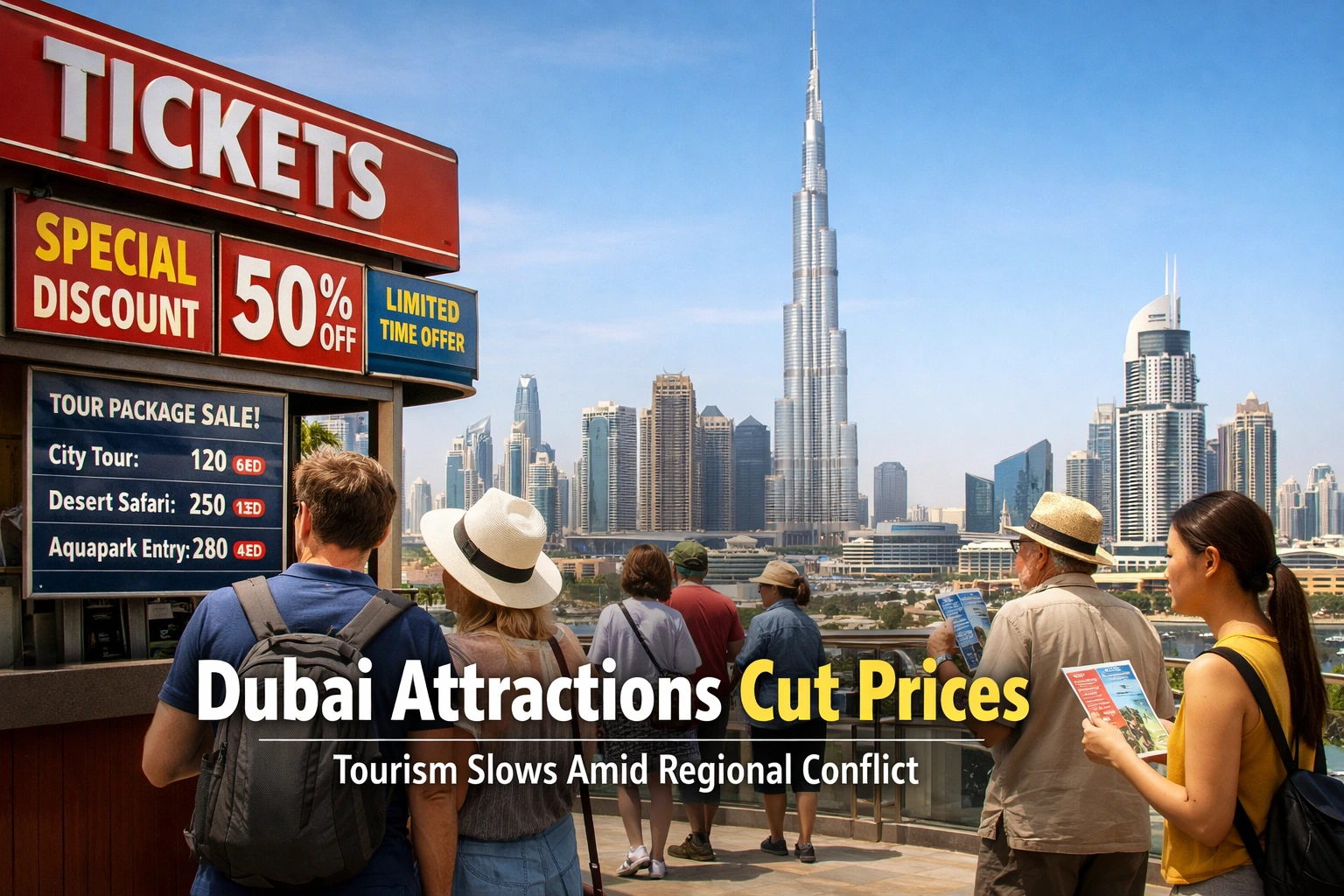
Dubai’s tourism industry has recently faced a sudden slowdown due to the ongoing conflict in the Middle East. The war has disrupted flights, reduced international travel, and forced many tourists to cancel their plans to visit the city. As a result, attractions across Dubai are lowering prices and introducing special offers to attract visitors and keep tourism activity alive.
For years, Dubai has been known as one of the world’s most popular luxury travel destinations. However, rising geopolitical tensions and safety concerns have affected tourist confidence and created uncertainty in the travel industry. The sudden drop in international arrivals has pushed tourism businesses to quickly adapt their strategies.
Table of Contents
Attractions Introduce Special Discounts and Limited-Time Deals
Many famous tourist attractions in Dubai have started offering discounts and promotional deals. Theme parks, aquariums, and entertainment venues are reducing ticket prices to encourage both tourists and residents to visit during this challenging period.
Popular attractions such as Aquaventure Waterpark, The Lost Chambers Aquarium, and Dubai Miracle Garden are introducing limited-time offers. These promotions allow visitors to access some of the city’s most iconic experiences at significantly lower prices than usual.
These discounted packages are designed to maintain visitor numbers and support businesses that rely heavily on tourism. By offering attractive deals, entertainment venues hope to keep Dubai’s leisure industry active despite the global travel disruption.
Hotels and Resorts Slash Room Prices
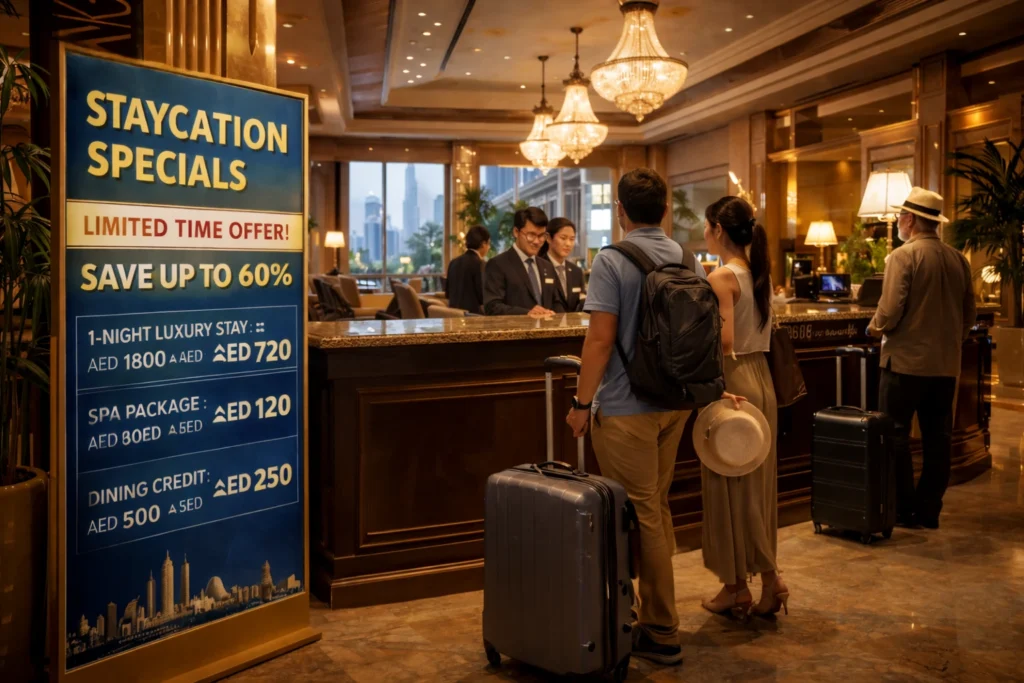
Hotels across Dubai are also lowering their room rates as international tourism slows down. Luxury hotels that usually charge premium prices are now offering large discounts and additional perks to attract guests.
Many high-end properties have launched staycation packages targeted at UAE residents. These offers often include discounted rooms, spa treatments, dining deals, and complimentary entertainment access.
In some cases, hotel prices have reportedly dropped by nearly 60 percent compared to normal rates. Such reductions highlight the scale of the tourism slowdown and the urgency for businesses to keep occupancy levels stable.
War and Flight Disruptions Impact Global Travel
The primary reason for the sudden tourism decline is the ongoing regional conflict that began in early 2026. Missile and drone attacks targeting parts of the United Arab Emirates have created travel concerns among international visitors.
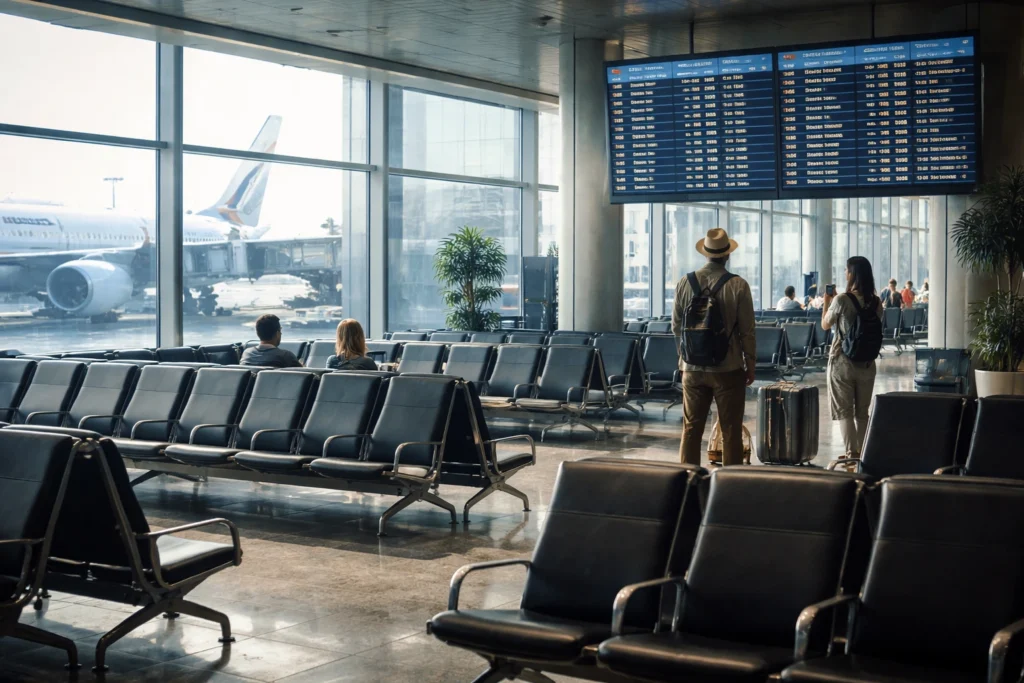
Airspace closures across several Middle Eastern countries have also caused thousands of flight cancellations. Many global airlines temporarily suspended routes to the region, leaving passengers stranded and discouraging new bookings.
Dubai International Airport, one of the world’s busiest travel hubs, has experienced disruptions as a result of these developments. With fewer flights operating, the number of tourists entering the city has declined sharply.
Tourist Bookings Drop Significantly
The impact on tourism bookings has been immediate and noticeable. Travel agencies and hospitality companies have reported a sharp drop in reservations for hotels, attractions, and short-term rentals.
Some reports indicate that more than half of tourist bookings were cancelled after tensions escalated in the region. Such a dramatic decline has forced the tourism sector to rethink its marketing strategies and focus more on local visitors.
For businesses that depend heavily on international tourists, the sudden fall in demand has created financial challenges. Discounts and promotional offers are currently the most effective way to attract customers during this period.
Local Residents Become Key Visitors
As international travel slows, tourism operators are turning their attention to residents living in the UAE. Special packages and discounted tickets are being designed specifically for local visitors who want affordable leisure experiences.
Staycation deals at hotels and entertainment venues encourage residents to enjoy short vacations within the city. These offers help businesses maintain activity while providing residents with cheaper access to premium experiences.
This shift toward local tourism is helping Dubai’s hospitality industry reduce the financial impact of reduced international arrivals. It also allows residents to explore attractions that may normally be too expensive during peak tourist seasons.
Also Read: Gold Souk vs Dubai Malls: Which Is Better for Buying Gold?
Economic Impact on the Tourism Industry
Tourism plays a vital role in Dubai’s economy, supporting thousands of businesses and jobs. When visitor numbers decline, industries such as hotels, restaurants, retail stores, and entertainment venues all feel the effects.
Analysts estimate that the broader Middle East tourism sector is losing hundreds of millions of dollars each day due to travel disruptions. The longer the conflict continues, the greater the economic pressure on tourism-dependent cities like Dubai.
The situation also highlights how closely tourism is connected to global stability. Even short-term geopolitical tensions can quickly affect travel demand and visitor confidence.
Efforts to Maintain Dubai’s Tourism Appeal
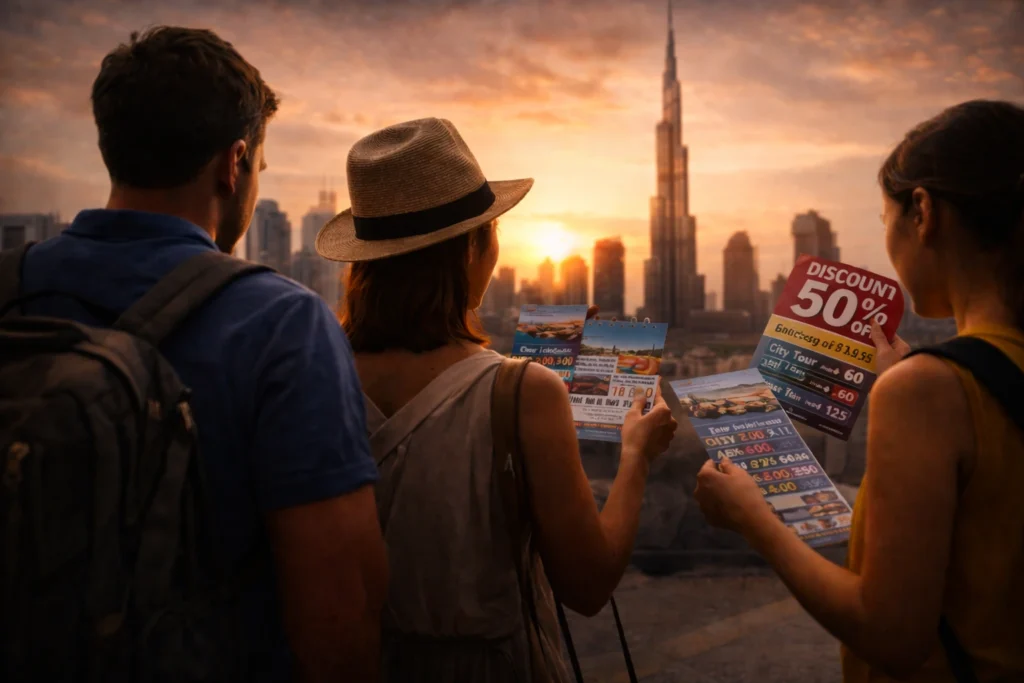
Despite the challenges, tourism authorities and businesses in Dubai are working hard to maintain the city’s appeal as a global destination. Promotions, marketing campaigns, and special deals are being introduced to keep visitors interested in the city.
Dubai has faced global crises before, including financial downturns and travel disruptions during the pandemic. Industry experts believe that the city’s tourism sector has historically shown resilience and adaptability in difficult situations.
Businesses are also focusing on improving visitor experiences and offering flexible booking policies. These steps aim to reassure travelers and maintain trust while the region navigates the current uncertainty.