

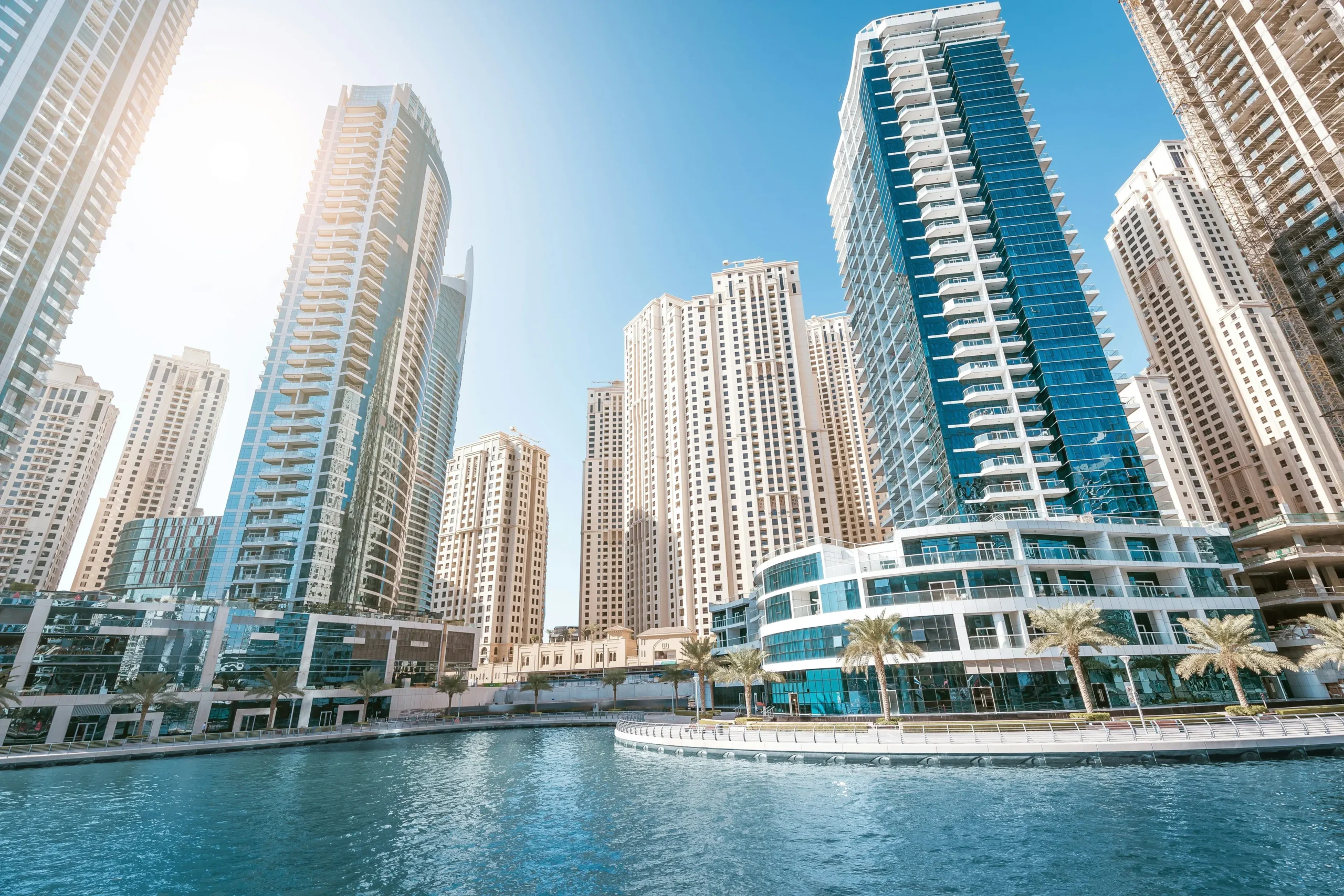
The Dubai real estate market is in its most robust growth period in recent years, making the emirate a property investment hot spot across the world. The city still has a lot of investors in Europe, Asia, Africa, and other parts of the world due to high levels of rental, zero capital gains tax, and long-term residence schemes such as the Golden Visa, as well as a clear buying process as regulated by the Dubai Land Department (DLD). As the market is witnessing a surge in new supply, demand is strong, leading to a more balanced and mature real estate environment.
Table of Contents
An Investor-Friendly Market with Global Appeal
Dubai is one of the largest business hubs in the Arab region, which is favorable to foreign investors. The freehold ownership of non-UAE citizens is possible in Downtown Dubai, Palm Jumeirah, Dubai Hills Estate, and Emaar Beachfront. As opposed to other world cities, the purchasing procedure is simple, controlled, and aimed at safeguarding the consumers and the sellers.
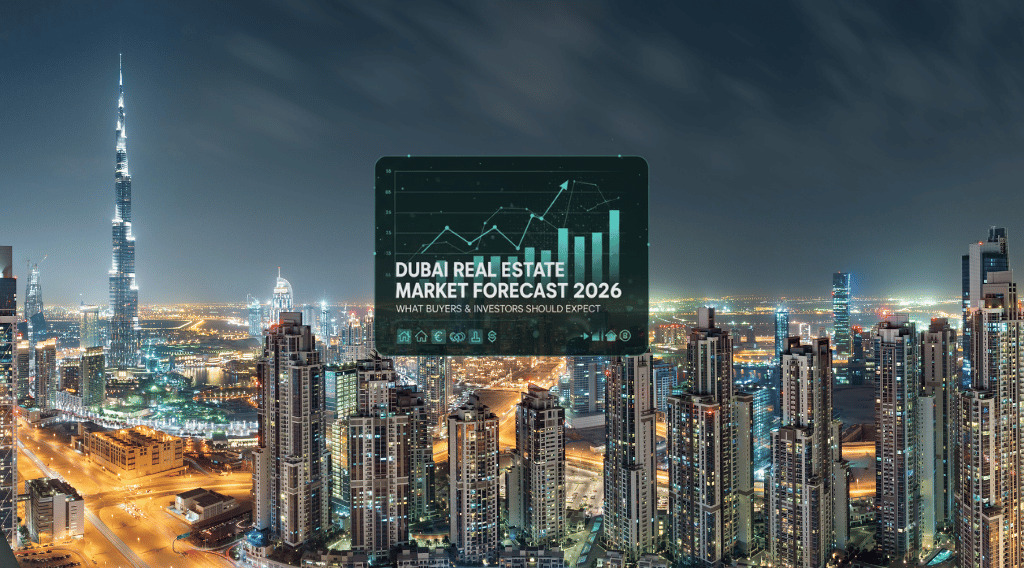
Dubai Land Department has been computerized and made transactions quicker and more transparent, leading to property purchase being quicker and more transparent. Certainty and safety through clear regulations, off-plan allocation of funds through escrows, and uniform contracts are important elements that would assure international investors launching into a new market.
High Rental Yields and Strong Returns
Dubai is also known across the world to have a high yield in rentals in comparison with developed real estate markets like London, New York, or Hong Kong. Gross rental yields can be between 6 and 9 percent, depending on the location and the type of property, and Dubai is particularly attractive to those investing to generate income.
Flats in key locations and well-designed communities will have a high demand for tenants due to the increasing population, influx of expatriates, and booming tourism industry. In addition to the rental revenues, capital appreciation is also enjoyed by a large number of investors, especially in the master-planned and well-connected developments.
Tax Advantages That Set Dubai Apart
The high level of attractive tax is also another key attraction in Dubai. Property investors enjoy:
- No capital gains tax
- No annual property tax
- No income tax on rental earnings
This tax system of low taxation greatly enhances net returns as opposed to other markets such as London, New York, or Singapore, where taxes can be very detrimental to profitability. Dubai is also providing a low tax rate and high returns to the high-net-worth and portfolio investors and is a rare package.
Residency Pathways Through Property Investment
The real estate market in Dubai is more than a financial gain; it also creates a gateway to permanent living. Investors of property are eligible to grant UAE residency visas, including the much-desired 10-year Golden Visa, on the basis of investment minimums.
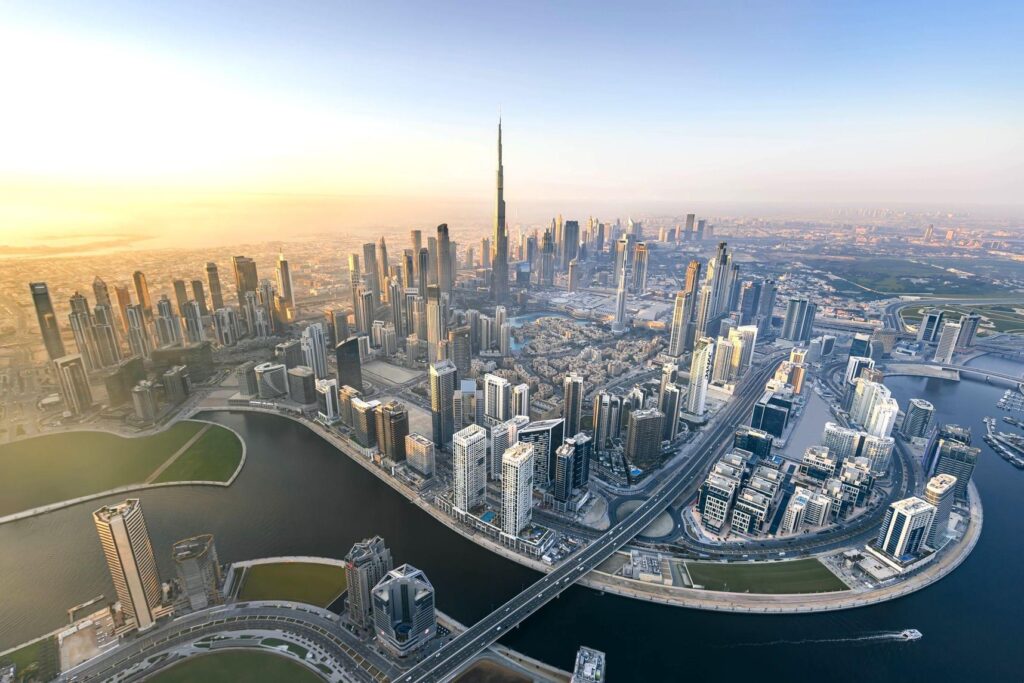
This has revolutionized the way of life of international customers who want to be stable, have business, and live well. The fact that the city is one of the biggest and safest in the world, with a high cosmopolitan population, is a strong lifestyle pull to owning property.
Luxury Projects Driving Global Attention
The global demand persists due to the image of the city as a place of iconic architecture and luxury lifestyle. The investment hotspots are some of the most popular and include:
- Downtown Dubai—Home to the Burj Khalifa and Dubai Mall, ideal for luxury apartments with strong short-term rental appeal.
- Palm Jumeirah—Developed by Nakheel, this world-famous man-made island features ultra-luxury villas and beachfront apartments.
- Dubai Hills Estate—A master-planned community offering villas and apartments with golf course views.
- Dubai Creek Harbour—A fast-growing waterfront district with modern residential towers and long-term growth potential.
- Emaar Beachfront—A premium seaside destination combining luxury living with private beach access.
Depending on investment appetite as well as investment horizon, investors have a vast range of apartments, villas, off-plan properties, and ready-to-move-in properties.
Growth, New Supply, and Market Balance
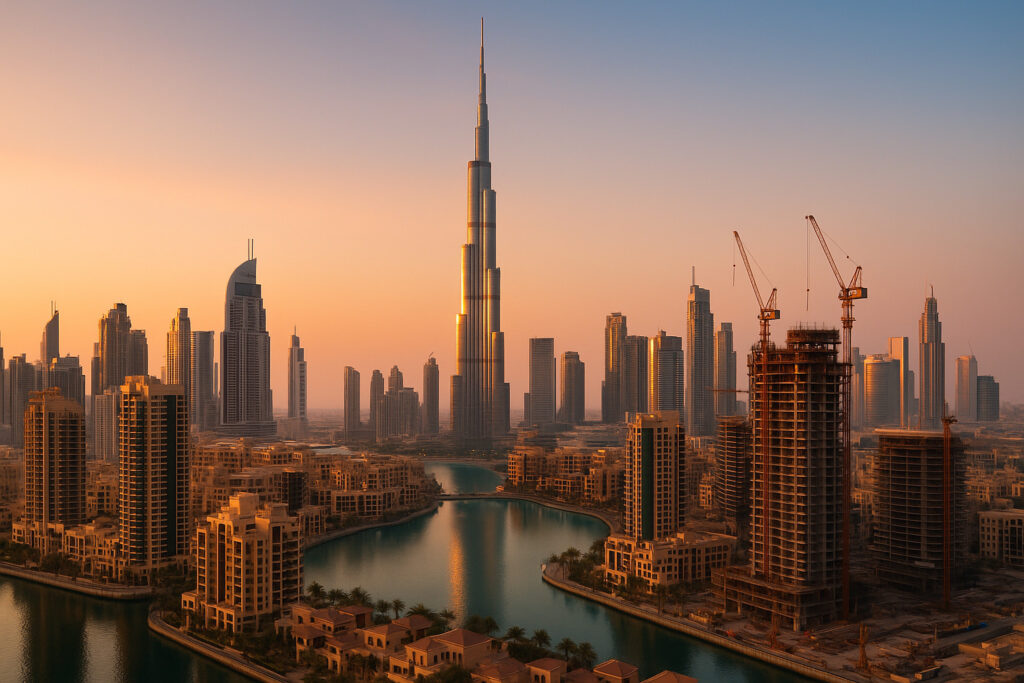
The real estate development in Dubai is driven by growth in population, economic diversification, infrastructure, and investor-friendly policies. Meanwhile, new off-plan launches are surging in the marke,t particularly in the mid and luxury segments.
As much as the supply is needed to fulfill the increasing demand and ensure that the market remains open, it poses a warning sign. Investors should be keen to consider:
- Location and developer reputation
- Project delivery timelines
- Long-term demand drivers
Certain micro-markets can be subject to changes in prices or some temporary adjustments, especially when supply exceeds demand. But this balancing action is also an indication of a growing and more sustainable market instead of speculative overheating.
Understanding the Buying Process
The process of property transactions in Dubai is transparent and well-organized:
- A Memorandum of Understanding (MOU) is signed between the buyer and the seller.
- A No Objection Certificate (NOC) is obtained from the developer.
- Dubai Land Department (DLD) registration completes the transfer and issues the title deed.
This transparent system minimizes risks and ensures legal clarity for all parties involved.
Final Thoughts
The real estate business of Dubai is also doing quite well on the international stage. The city has a strong case to attract both experienced and new investors with investor-friendly ownership laws, high rental rates, no capital gains tax, housing benefits, and iconic luxurious developments. Although supply growth could cause selective price changes, robust demand and growth fundamentals in the long term hold Dubai in a solid niche as one of the most desirable places in the world to invest in real estate.