

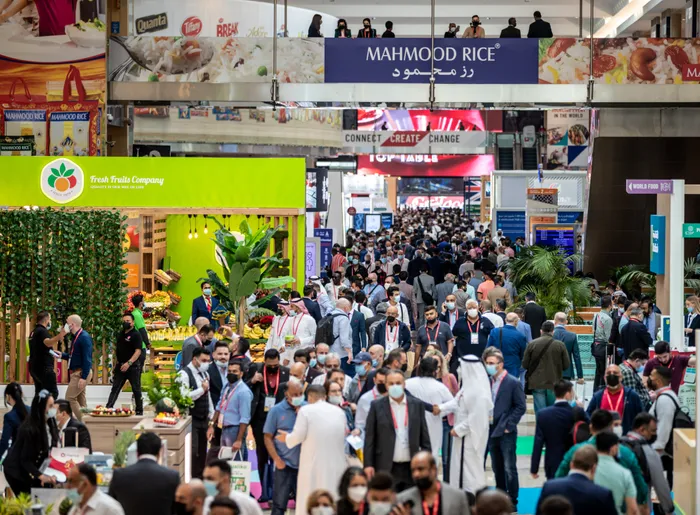
Gulfood has officially grown bigger than a single venue in its 31-year history. Today, January 26, Gulfood 2026 is being held in two large venues, the long-standing Dubai World Trade Centre (DWTC) and the new, threefold larger Dubai Exhibition Centre (DEC) of the Expo City Dubai, and this marks a milestone in the history of the largest food and beverage sourcing event in the world each year.
The ambitious growth is a testimony to the unprecedented growth of Gulfood and also the aspiration of Dubai to establish itself as the international center of the food trade. The 2026 edition is the biggest in the history of the event, with over 8,500 exhibitors representing 195 countries and representing almost 1.5 million food and beverage products in almost all possible categories.
Table of Contents
A show too big for one venue
Gulfood 2026, which opens January 26, has increased its footprint after just one year by over 280,000 square metres of exhibition space (or 100 percent more than previous events). The event attracts more than 8,500 exhibitors representing 195 countries displaying almost 1.5 million food and beverage products, including basic commodities and fresh foods, as well as differentiated brands and solutions of the future food. The dual-venue format enables the show to grow without losing its quality and can provide a more intimate and immersive experience whilst managing the sheer scale of the event that is now commonly known as the largest food trade show in the world.
How the dual-venue format works
Though the Dubai World Trade Centre still serves as the traditional core of Gulfood, with meat, poultry, dairy, beverages, oils, and pulses being the key sectors, the newly expanded Dubai Exhibition Centre at the Expo City has been established as the future-oriented hub.
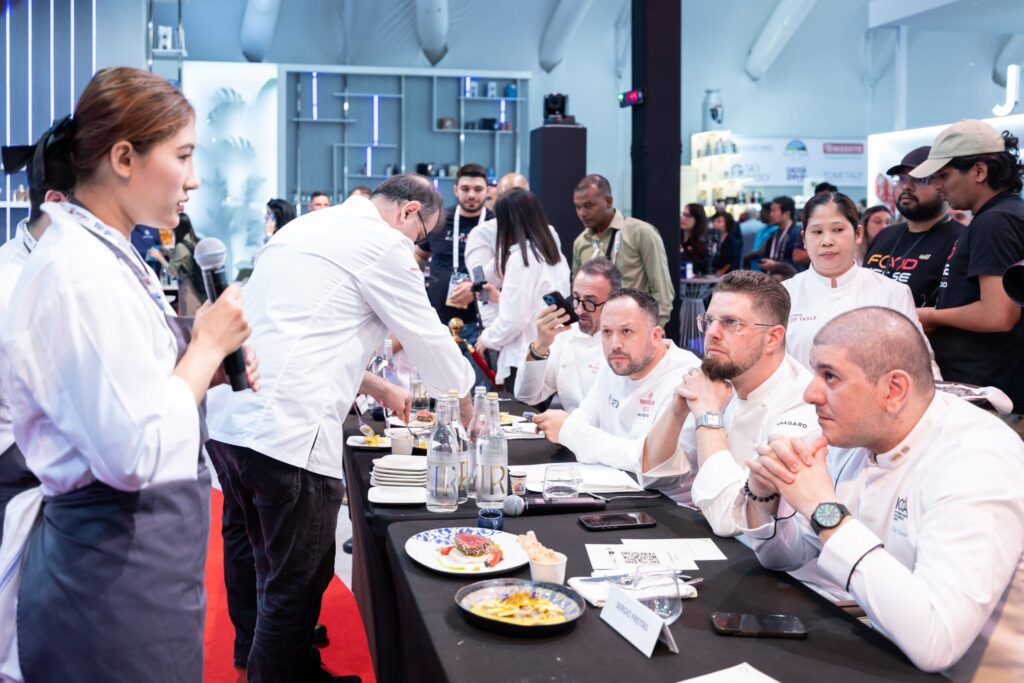
DEC hosts giant and new verticals such as World Food country pavilions, Rice, Pulses and Grains, Gulfood Fresh, Gulfood Logistics, and Grocery and Retail Trade. The strategic division will enable buyers and exhibitors to explore the show more effectively, reduce congestion, and enhance deal-making.
From a modest beginning to a global powerhouse
The history of Gulfood reflects that of Dubai as an international trade centre. The first time the event was run was in 1987, with only 65 exhibitors representing 13 countries and 1,600 visitors. Gulfood, which was initially held every two years, was converted into an annual event in 2005 due to the world’s demand.
Almost 40 years later, Gulfood has become the most popular platform in the global F&B ecosystem, organized by DWTC and backed with specialized spin-offs like Gulfood Manufacturing across the whole food supply chain—raw materials and processed products.
Getting there and getting around
As a way of aiding the large scale of Gulfood 2026, Dubai has streamlined transport connectivity between the two locations. The main connection is the Dubai Metro Red Line, which is due to be extended to Route 2020, and it provides direct access to DWTC and Expo City.
Although parking in DWTC is still minimal owing to its central position, DEC has more than 15,000 parking spots, which is particularly appealing to buyers of goods in bulk sourcing and fresh produce. The division, the authorities claim, has gone a long way in alleviating the pressure on the crowd.
A bigger, better Gulfood
According to industry leaders, the conversion to the two-venue format is not just a logistical choice but a declaration of purpose. Through its multiple successes in hosting Gulfood on opposite sides of the city, Dubai has proven its ability to host mega events in the world and to improve the overall business experience.
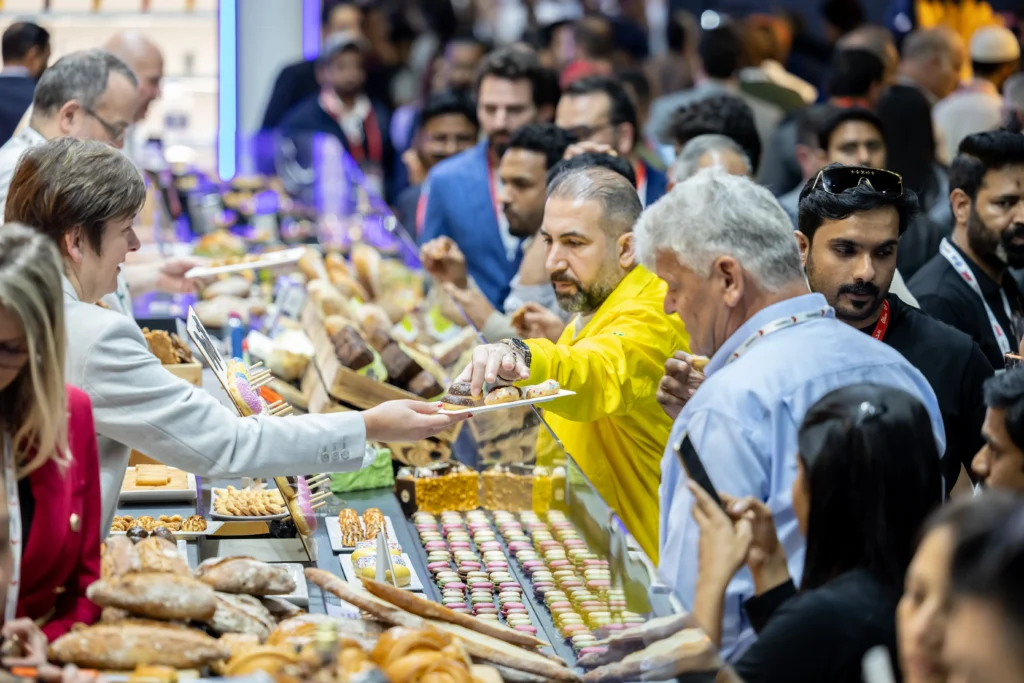
Gulfood 2026 has enabled Dubai to not only exceed the capacity of a single venue but also to make the world trade show appear in a way that it never has before. With contracts being closed and chains being redefined in the next few days, it is apparent that the future of food trade in the world is being penned in Dubai.