

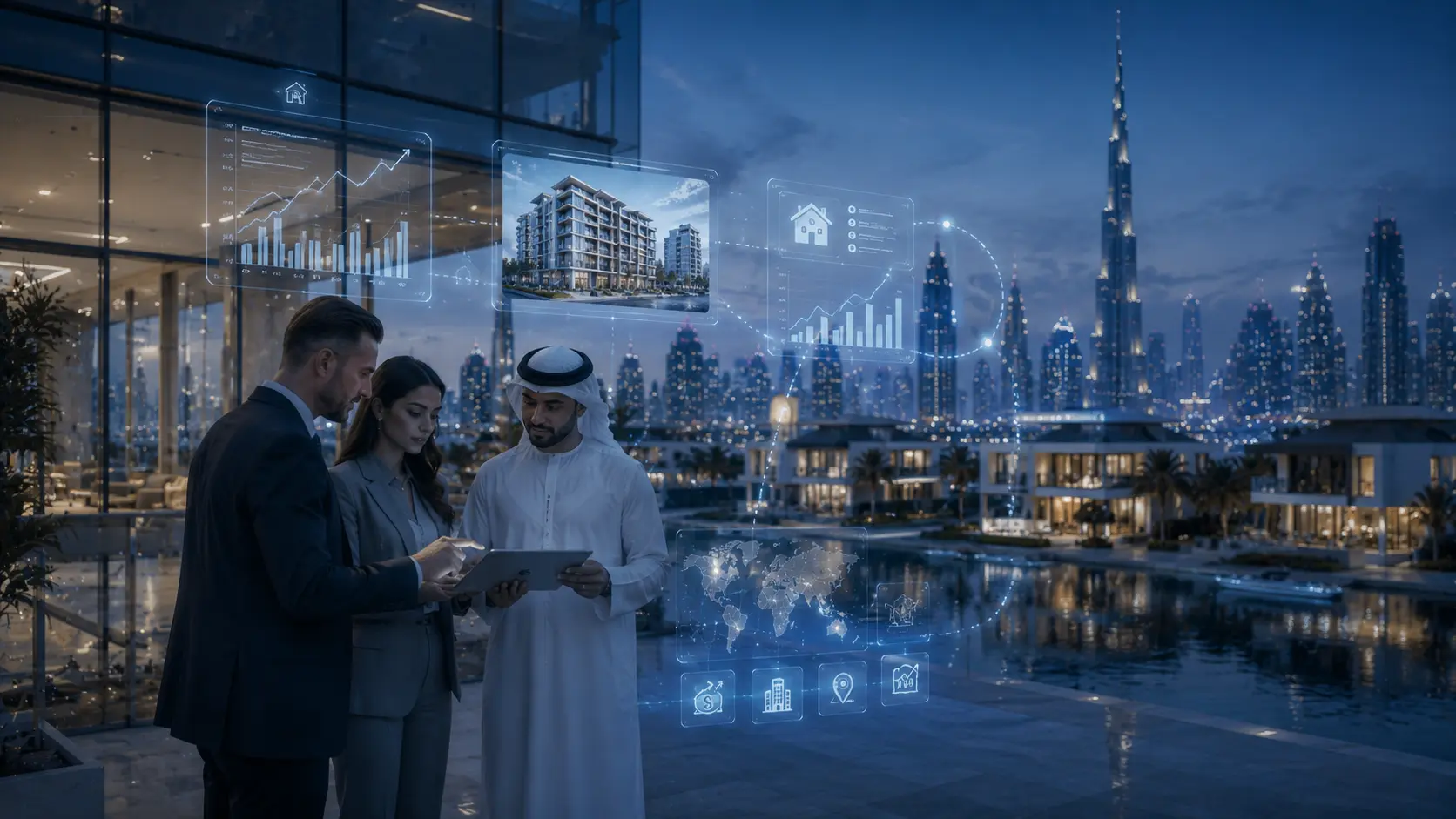
Dubai’s residential property market has delivered another strong six months, and the headline story isn’t just the growth — it’s the resilience. Geopolitical tensions in the region, particularly around the Iran-Israel conflict, created a brief period of uncertainty that touched investor sentiment. The market paused, took stock, and then carried on. Transaction volumes recovered quickly, and the broader growth trajectory remained intact.
Property experts point to several factors that explain this durability — a stable economy, investor-friendly regulations, long-term residency options linked to property ownership and a government that has consistently worked to make Dubai an easy and attractive place to invest. Together, these create a foundation that can absorb short-term shocks without sustaining lasting damage.
Residential Sales Reach New Highs
Across the first half of 2026, residential property transactions in Dubai pushed higher again. Apartments, villas and townhouses all saw healthy demand, with the buying base broad enough to show that this isn’t a single-segment story.
Luxury communities continued attracting high-net-worth buyers from around the world. Mid-market developments remained consistently popular among families and first-time buyers entering the market. Off-plan projects performed strongly as developers launched new communities with flexible payment structures that make entry more accessible. The fact that demand held up across all these segments is arguably the most telling sign of genuine market health rather than speculative momentum.
Investor Confidence Remains Strong
Regional tensions did cause transaction activity to dip temporarily — that’s worth being honest about. But the dip was short and the recovery was quick, which tells you something important about how international investors are reading Dubai right now.
Buyers from Europe, Asia, the Middle East and beyond continue to view the emirate as a stable, transparent and financially sensible destination for real estate investment. Dubai’s legal framework is well understood, its regulations are consistently applied, its tax environment is favourable and its long-term residency programmes tied to property ownership have made it a credible place to put down roots rather than just park capital. That combination of factors is difficult to replicate elsewhere in the region.
Population Growth Continues Supporting Demand
Behind every property market statistic is a people story, and Dubai’s is straightforward — the city keeps growing. Professionals, entrepreneurs, skilled workers and business owners continue arriving in significant numbers each year, drawn by employment opportunities, quality of life and a business environment that rewards effort.
Every person who relocates to Dubai needs somewhere to live, whether they rent or buy. That underlying demand is structural rather than cyclical, which gives the property market a more durable foundation than one built purely on investment speculation. As new businesses establish themselves and existing ones expand, that population-driven demand keeps reinforcing itself.
Luxury Homes Lead Premium Sales
The luxury segment was one of the standout performers in H1 2026. Waterfront villas, branded residences, penthouses and premium apartments in prime locations attracted strong interest from wealthy international buyers who see Dubai as a combination of lifestyle destination and secure investment.
The city’s offer to this buyer profile is compelling and well established — world-class infrastructure, genuine personal safety, global connectivity, a cosmopolitan social environment and a real estate market that has consistently delivered capital appreciation. Developers are responding to sustained demand by bringing additional high-end projects to market, which speaks to their confidence in continued appetite at the premium end.
Off-Plan Projects Continue to Perform Well
Off-plan has remained a meaningful pillar of Dubai’s residential market through the first half of the year. Flexible payment plans reduce the barrier to entry, pricing at launch is typically more attractive than on completed stock, and buyers who purchase early often benefit from capital appreciation through the construction period.
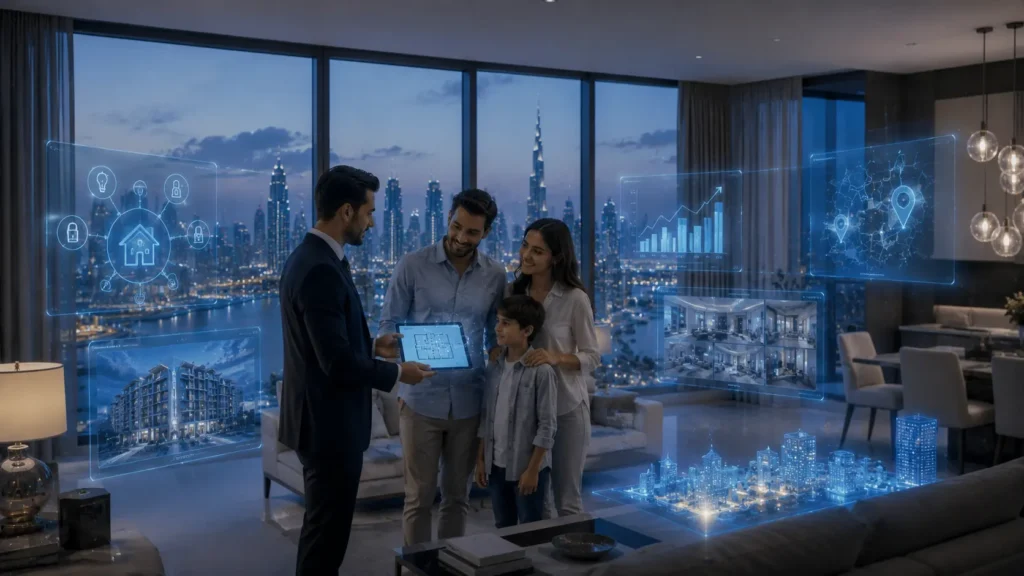
Developers have also been raising the quality of what they offer in off-plan projects — smart home technology, sustainable design, premium amenities and well-designed community facilities are increasingly standard rather than optional extras. That improvement in product quality is attracting both investors looking for returns and families looking for a home they’ll actually want to live in.
Market Fundamentals Remain Positive
What makes Dubai’s property market story genuinely interesting is that the growth appears to be supported by real economic fundamentals rather than inflated by short-term sentiment. Strong tourism numbers, growing foreign investment, business expansion, ongoing infrastructure development and continuing government reform are all contributing to conditions that support sustained property demand.
Efficient property registration systems, digital government services and clearly understood legal processes for international buyers further differentiate Dubai from many other markets competing for the same global capital. These aren’t marketing claims — they’re practical advantages that experienced investors test and verify before committing money.
Also Read: Sheikh Mohammed Congratulates Top UAE High School Students for Outstanding Academic Success
Outlook Remains Positive for the Rest of 2026
The broad expectation among real estate specialists is that Dubai’s residential market will stay active through the second half of 2026. After several years of exceptional growth, some moderation in pace is both anticipated and arguably healthy — markets that climb without interruption tend to invite the kind of speculation that creates fragility.
New residential communities, infrastructure investment and continued international buyer interest are all expected to support transaction volumes as the year continues. Geopolitical developments in the region will keep being monitored carefully, as they always are. But Dubai’s diversified economy and the structural depth of its property market mean it goes into the second half of 2026 from a position of genuine strength rather than borrowed momentum.