

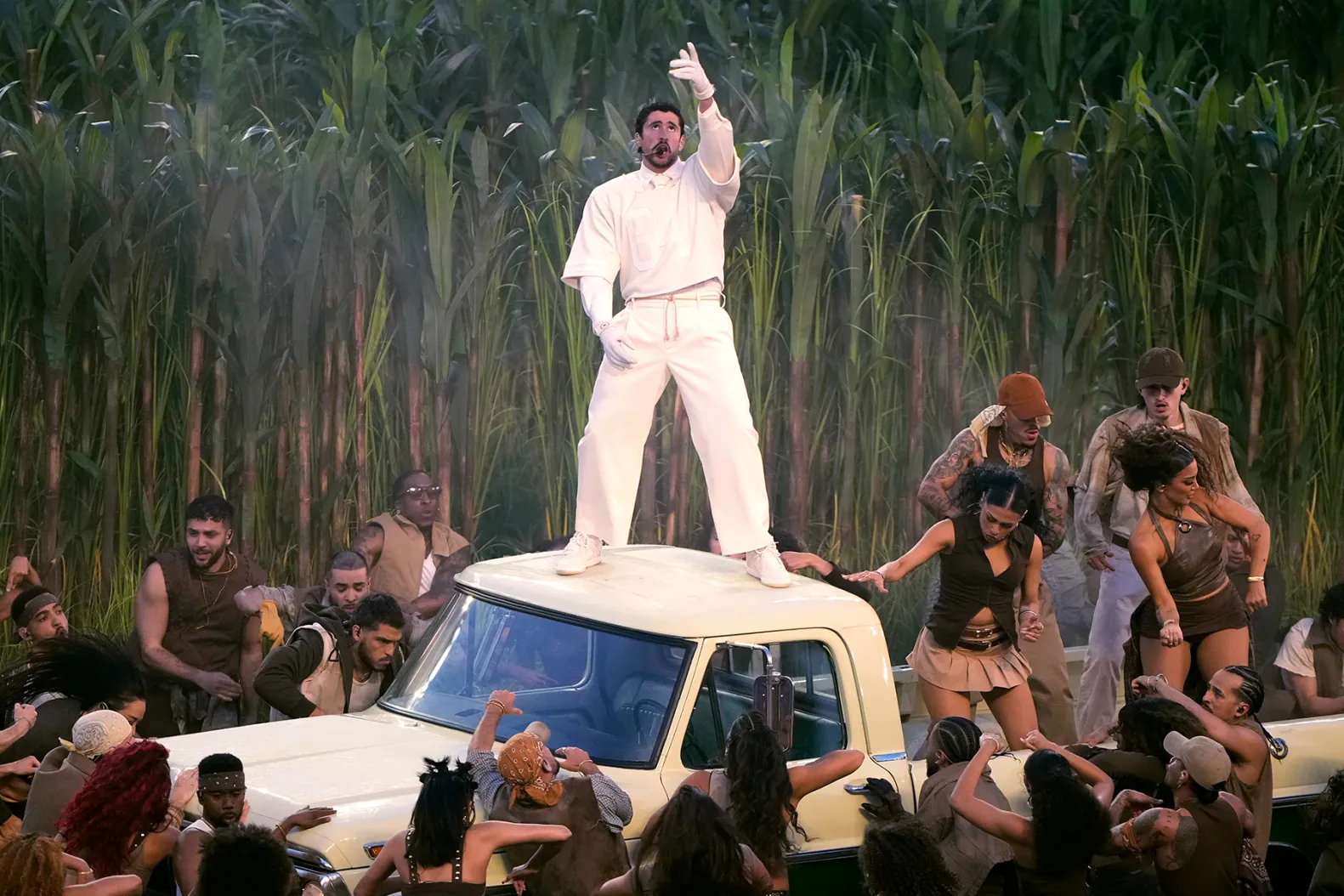
The Super Bowl halftime show is one of the most-watched entertainment events in the world, and the 2026 edition created history with Bad Bunny as the headline performer. Held on February 8, 2026, at Levi’s Stadium in Santa Clara, California, the performance marked a major milestone for Latin music on a global stage. Bad Bunny became the first Latino solo artist to headline the Super Bowl halftime show, delivering a vibrant performance filled with energy, culture, and powerful representation.
His performance highlighted the growing influence of Latin music worldwide. With reggaeton and Latin trap dominating global charts in recent years, Bad Bunny’s presence reflected changing music trends and broader cultural acceptance. Fans across the world tuned in not only for football but also to witness this historic musical moment.
Table of Contents
Historic Representation for Latin Music
Bad Bunny’s performance was significant because it brought Latin culture to one of the world’s biggest stages. Most of his setlist was performed in Spanish, showing confidence in the global reach of Latin music. This decision broke traditional expectations for halftime shows and emphasized authenticity.
His performance also served as a tribute to Puerto Rico, his homeland. Cultural elements, traditional symbolism, and musical influences highlighted Puerto Rican identity and resilience. This representation resonated strongly with Latino audiences and supporters worldwide, reinforcing the importance of cultural visibility in mainstream entertainment.
The show demonstrated how music can bridge cultures and languages while celebrating diversity.
Announcement and Build Up to the Show
The announcement of Bad Bunny as the halftime performer came months before the Super Bowl, generating strong excitement among fans. The selection reflected his immense global popularity, chart success, and cultural impact. Music streaming platforms, social media, and sports networks all contributed to the growing anticipation.
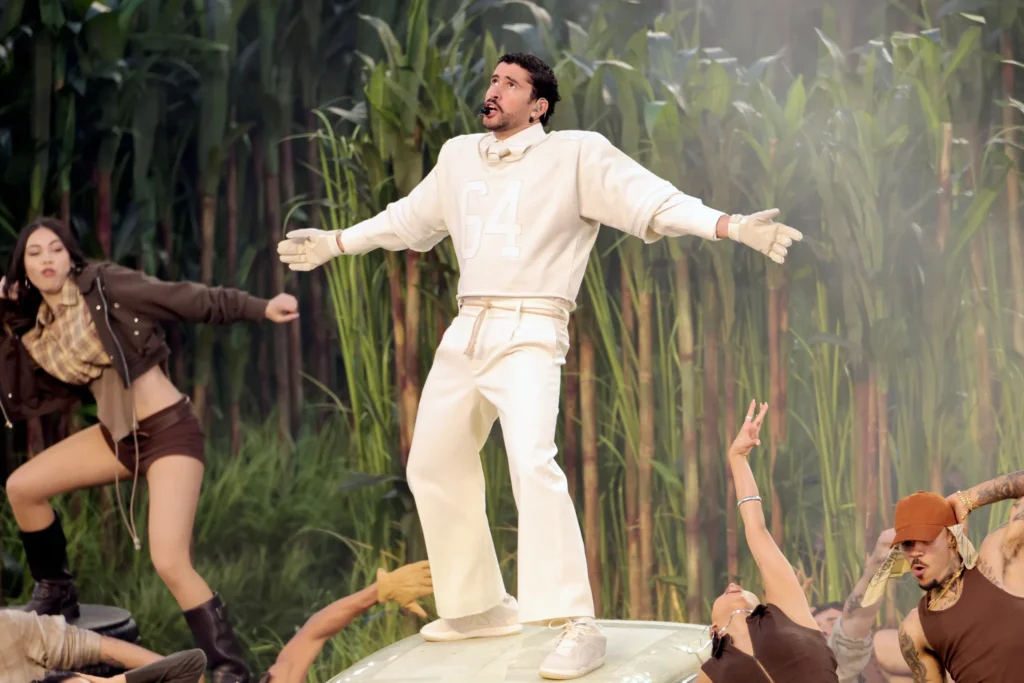
Promotional videos showcased his signature style and paid homage to Puerto Rican heritage. His dedication of the performance to Puerto Rico added emotional depth and strengthened the connection with his audience. Leading up to the event, discussions around representation, musical diversity, and evolving global music trends dominated entertainment news.
Performance Highlights and Special Guests
The halftime show delivered a high-energy 13-minute performance featuring some of Bad Bunny’s biggest hits. The stage design, choreography, and visuals created an electrifying atmosphere that captured the attention of millions watching worldwide.
Several special guests joined the performance, including international pop icon Lady Gaga, Latin legend Ricky Martin, and traditional Puerto Rican music group Los Pleneros de la Cresta. These collaborations added variety and excitement while showcasing different musical influences.
The fusion of reggaeton, Latin trap, pop, and traditional rhythms made the performance unique. It balanced modern global sounds with cultural authenticity, creating a memorable entertainment experience.
Cultural and Social Impact
Beyond entertainment, the performance had strong cultural significance. It highlighted the growing influence of Latino artists in mainstream global media. For many viewers, seeing a Spanish-language performance at such a major event was inspiring.
The show also emphasized cultural pride and identity. References to Puerto Rican resilience, especially following past natural disasters, added emotional depth to the performance. This message of strength and unity resonated widely.
Bad Bunny’s presence helped open doors for more diverse artists to receive global recognition. It demonstrated how representation in major events can influence cultural conversations.
Audience Reactions and Global Response
The response to the halftime show was largely positive. Fans praised the authenticity, energy, and visual appeal of the performance. Social media discussions highlighted appreciation for Latin music and culture being showcased at a global sporting event.
Some early criticism about language choice and musical style emerged before the show, but the performance itself received strong support from audiences worldwide. Many viewers appreciated the fresh direction and cultural representation.
Music critics noted that the show reflected evolving audience preferences. Global listeners are increasingly open to diverse musical genres, and this performance captured that shift perfectly.
Also Read: New Zealand vs UAE: T20 World Cup 2026 Match Preview, Head-to-Head Stats and Recent Form
Influence on the Latin Music Industry
Bad Bunny’s Super Bowl performance reinforced the global rise of Latin music. Artists from Latin America continue to dominate streaming charts, international collaborations, and major music festivals.
The visibility gained from such a prestigious event helps expand opportunities for upcoming artists. It also encourages the music industry to invest more in diverse talent and multilingual productions.
The performance demonstrated that music transcends language barriers. Authentic expression, rhythm, and cultural storytelling can connect with audiences worldwide.
Why This Performance Matters for the Future
The 2026 halftime show may influence future event programming. Global representation, diverse artists, and multicultural performances are becoming more common in major entertainment events. The show reflected changing audience tastes and the increasing acceptance of diverse musical voices worldwide.
As audiences become more globalized, organizers are likely to select artists who reflect international diversity. This approach not only broadens audience reach but also strengthens cultural inclusivity. His performance and collaboration with global artists created a memorable moment in entertainment history.
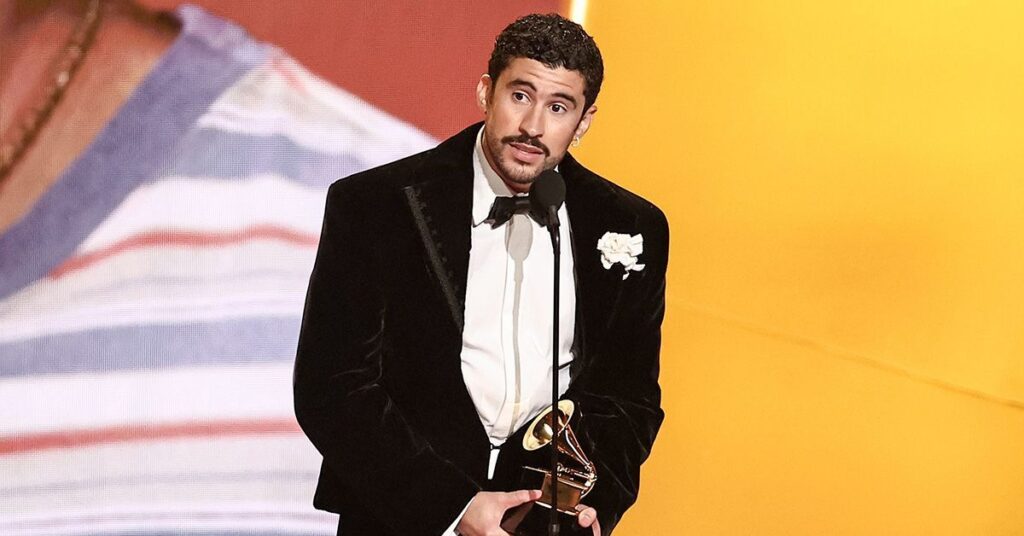
Bad Bunny’s success at the Super Bowl shows how entertainment events can evolve while maintaining mass appeal. It was a cultural milestone that highlighted the global influence of Latin music, celebrated Puerto Rican heritage, and demonstrated the power of authentic artistic expression.
As global entertainment continues to evolve, performances like this set new standards for inclusivity and representation. Bad Bunny’s historic appearance will likely remain a defining moment for both the Super Bowl halftime tradition and the global music industry.