

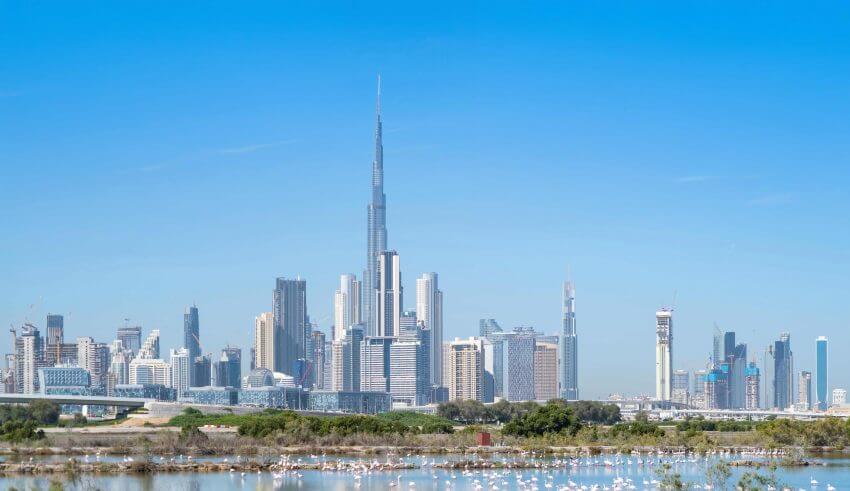
The Dubai real estate market is going to have a new identity, a new dimension, where wellness, sustainability, and quality of life will be as important as location, prestige, or even short-term returns. With over 61,800 residential properties still under construction on various sites throughout Dubai in 2025, the market trend is now more evidently shifting: customers and investors are becoming increasingly interested in healthy, green, and habitable surroundings rather than the size or visual effects.
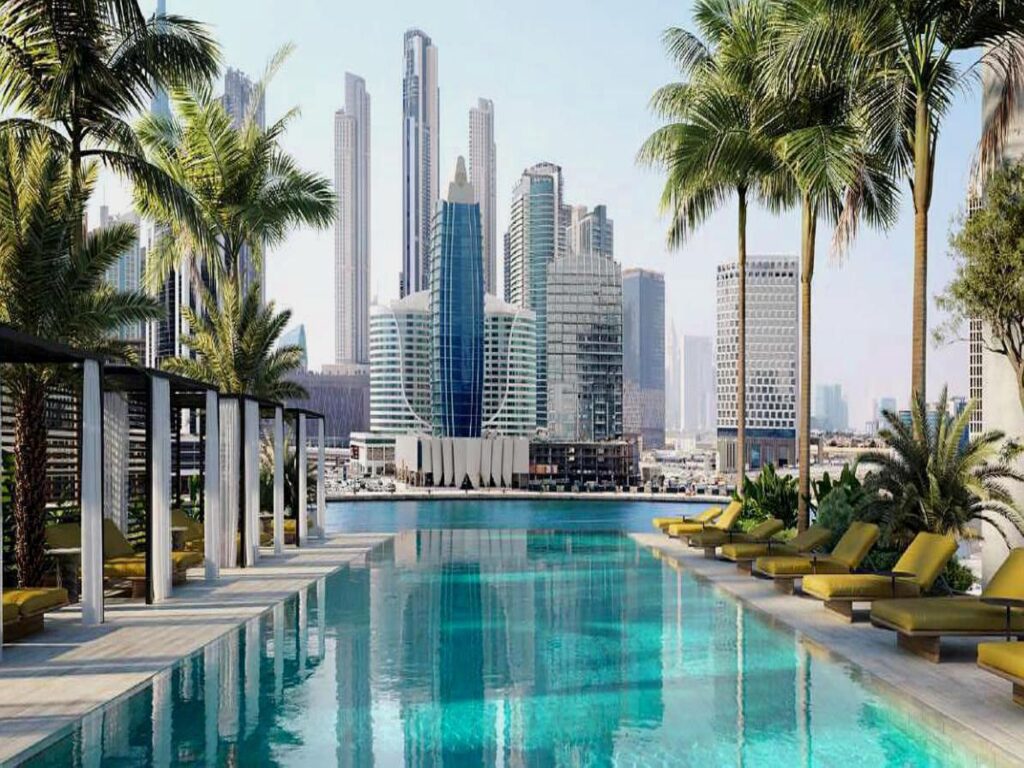
The change is indicative of a global property preference. The new patterns of lifestyles after the pandemic, the hybrid forms of work, and the increased sensitivity to mental and physical health have transformed the demands of the residences of the inhabitants. This transformation is being reflected in Dubai in the form of high demand for low-density neighbourhoods, walkable master plans, large green spaces, and community-oriented amenities, all of which are currently also regarded as long-term value indicators.
Table of Contents
Investor confidence meets lifestyle-led demand
The statistics provided by the Dubai Land Department (DLD) indicate the further strength of the market. During the first half of 2025, about 94,700 investors were attracted to Dubai; this is a 26 percent growth on a yearly basis. These investors made over 91,000 residential deals valued at Dh 262.1 billion, and this is an increase of 36.4 percent over the value of the transactions made last year.
Although these numbers reflect the attractiveness of Dubai as an international investment hot spot, they also illustrate a more subtle pattern: money is becoming concentrated in projects that provide a comprehensive living experience and not merely luxurious finishes or an impressive address.
As of a recent study by Emirati developer Amaal, wellness-based neighbourhoods with green infrastructure and careful urban design are already taking over high-value residential sales, especially those with a price exceeding Dh10 million. The UAE is developing a new landscape of the wellness-first property, and five districts are influencing it.
Meydan: Calm living near the urban core
Meydan in Nad Al Sheba has become one of the most lifestyle-oriented places in Dubai. Though it is located near Downtown Dubai, the landscape is considerably less busy with landscaped parks, green lines, and pedestrian streets. The presence of equestrian facilities and sports facilities also solidifies the fact that it is a health-oriented community, but not an urban one.
Apartment prices in Meydan have recorded high demand, as at the third quarter of 2025, the apartments were priced at Dh1,543 per square foot. Interestingly, over 70 percent of residential deals in the region are off-plan, which is an indicator that buyers believe in the long-term livability of the region and not short-term real estate speculation.
Mohammed Bin Rashid City: Family-focused green luxury
Mohammed Bin Rashid City remains unique in its accessibility to urban living mixed with wellness-based planning. The combination of the luxury villas and townhouses with central parks, streets that are walkable, and open spaces helps to make the environment appealing to families and long-term residents.
The fact that it is a constant presence in premium transactions, particularly when it comes to homes in large format, underscores how buyers of high value attach importance to space, greenery, and the design of the community, even in the minutes of Downtown Dubai.
Dubai Hills Estate: A suburban wellness benchmark
Dubai Hills Estate has established itself as a model of suburban wellness living. With a big central park and championship golf course, the community has jogging tracks, bicycle paths, tree-lined boulevards, schools, and shopping centers and is designed in a self-contained, walkable design.
Such blending of convenience and outdoor life has resulted in a strong demand. During the first half of 2025, rental occupancy was nearly 86.5 percent, which supports its popularity as a stable and family-friendly neighbourhood with a long-term rental and resale value.
Palm Jumeirah: Lifestyle over status
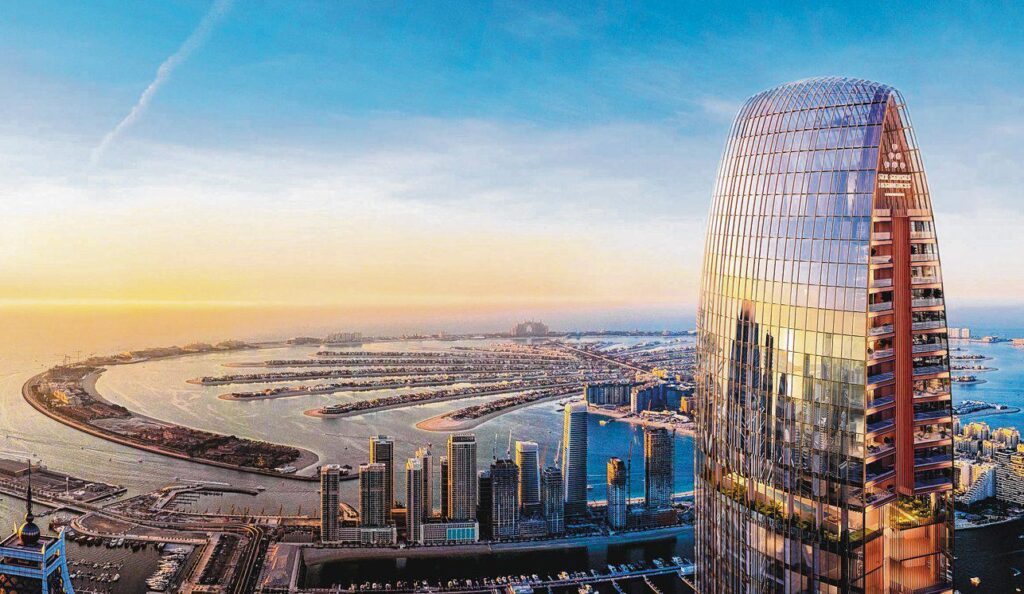
Palm Jumeirah, previously identified with exclusivity, is now finding more customers who are interested in lifestyle and not just status. Outdoor, landscaped, and waterfront promenades, as well as private beaches, encourage an active, outdoor-based lifestyle, and the fact that new supply is limited does not hurt the long-term value.
Palm Jumeirah increased its market share in the ultra-luxury segment of Dubai in the second quarter of 2025, with the most substantial number of homes sold exceeding 10 million in Dubai. The combination of relaxation, privacy, and wellness on the island has turned out to be one of the main differentiators in a competitive luxury market.
Emirates Hills: Privacy, space, and tranquillity
Emirates Hills is at the top of the Dubai wellness-focused real estate. With its ultra-low-density structure, huge gardens, personal swimming pools, and a view of the golf course, the enclave provides a degree of tranquility that is hard to find in a large city in the world.
Ultra-luxury villas in Emirates Hills recorded an average price of approximately Dh4,929 per square foot in the first half of 2025, as the demand has always been on privacy, space, and peaceful living while being close to the commercial hubs in the city.
Wellness as a driver of long-term value
As tens of thousands of new homes are being put up, analysts observe that not every supply will do so well. The trend favoring the use of green infrastructure, walkability, community design, and holistic living is increasingly believed to be in the strongest position to perform better in the long run.
In a city that was previously characterized by sky-scraping towers and architectural wonder, wellness-based communities are presently determining the following chapter of the Dubai property narrative, in which the quality of life is not merely a facility but a central proposal of the investment.