

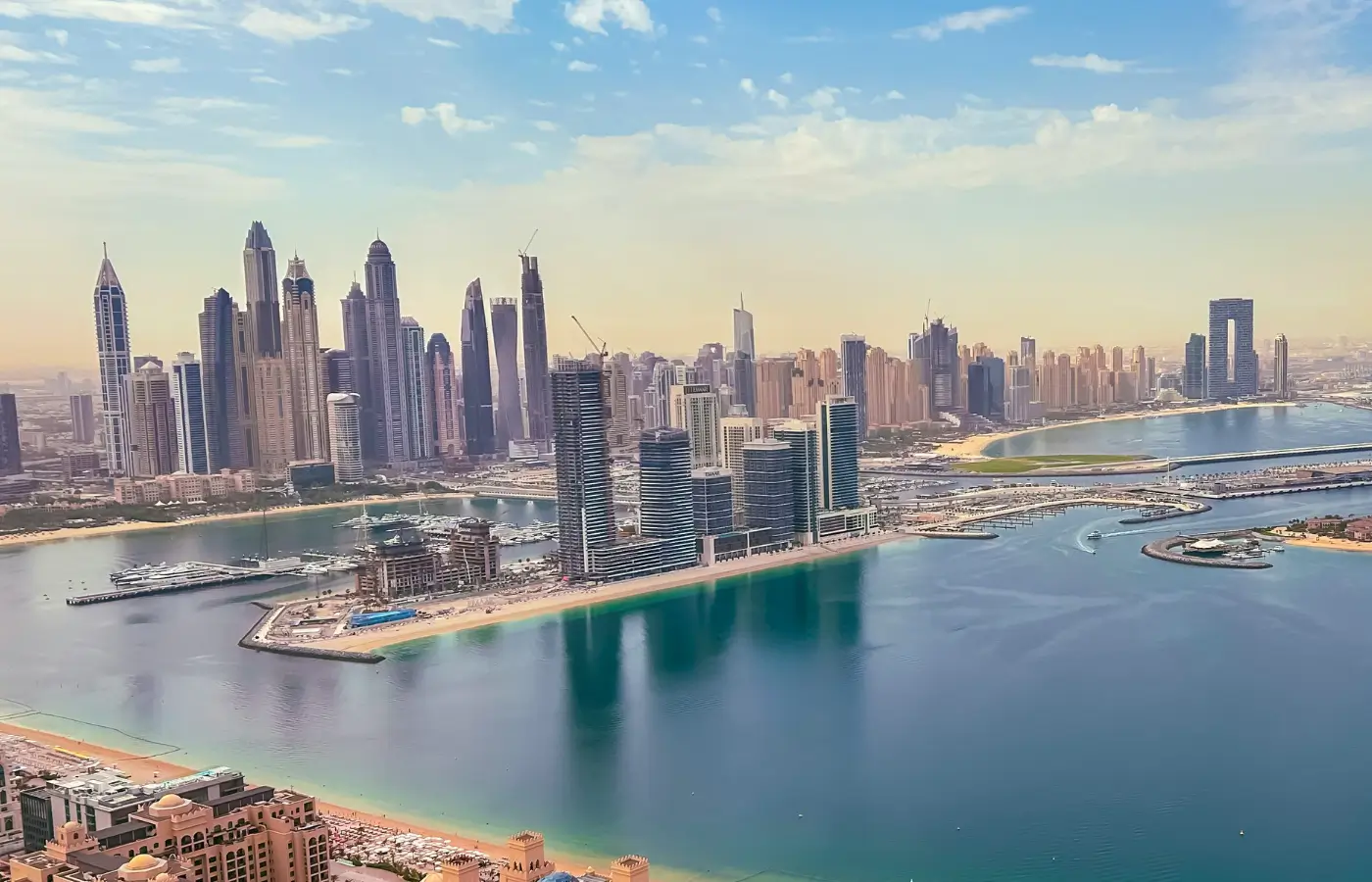
Dubai real estate growth has been a story of ambition. But now the narrative shifted. Outside the shining towers and world record breakers, there was a deeper shift in the landscape of real estate business in the emirate, a shift that has not only marked the beginning of growth but also the real maturity of the market.
The Numbers That Tell a New Story
Mature markets do not simply grow; they develop. The real estate industry in Dubai in 2025 showed such an evolution by making some interesting data points:

The Professional Surge
The growth of real estate agencies was amazing, 39.7% per year, with the number of registered firms amounting to 9,728. In the meantime, the number of qualified brokers increased by 34.5 percent to 32,317 professionals. These are not mere statistics; it is a paradigm change in the market dynamics.
Capital Gains Across All Sectors
AED 86 billion of capital gains were earned in the market, and the increase was observed across all categories of assets: apartments, villas, business premises, and land plots. This multi-faceted expansion trend is a sign of a stable, robust market and not one reliant on speculative bubbles in isolated markets.
Table of Contents
From Volume to Value: The Selectivity Revolution
Talal M. Al Gaddah, CEO and founder of the Keturah luxury brand, summed up the whole change: “When the choice is more, buyers become increasingly critical, brokers focus on established projects, and brand, delivery track record, and product quality turn into decisive factors. What this observation demonstrates is a deep-rooted market shift. In developing markets, demand is due to a shortage. Discernment is brought about by abundance in mature markets.
What Maturity Means for Stakeholders
For Buyers
Dubai has long gone beyond the days of buying anything and has shifted to the realm of educated decision-making. Purchasers now scrutinize:
- Developer track records and completion histories
- Quality of construction materials and finishes
- Long-term value retention rather than short-term gains
- Brand reputation and post-sale service commitments
For Developers
Gone are the days when location was the only guarantee of success. The current developers have to compete on various fronts, such as architectural innovation, sustainable credentials, integration with the community, and established delivery. The market doesn’t respond to promises but does to performance.
For Brokers
The registered brokers are increasing by 34.5%, and this implies increased competition. This has led to a demand for a profound understanding of the market, artisanal portfolio selection, and the capability to connect advanced clientele to properties that correspond with their long-term investment plans.
The Luxury Segment: Where Abundance Meets Selectivity
As observed by Al Gaddah, in the luxury property market, volume is not determined by abundance; rather, it is determined by selectivity. This ironic observation is why the luxury market in Dubai is still flourishing despite the growing inventory. Affluent consumers are not seeking additional alternatives, but the appropriate alternative. It has resulted in a captivating effect whereby luxury developers are forced to compete by differentiating themselves using:
- Exclusivity in Experience: Beyond square footage, what unique lifestyle does the property enable?
- Design Innovation: How does the property push architectural boundaries while maintaining timeless appeal?
- Investment Resilience: What makes this asset valuable in five, ten, or twenty years?
- Community Ecosystem: What caliber of neighbors, amenities, and social infrastructure surrounds the property?
What This Means for Global Investors
Dubai’s market maturity sends several signals to international investors:
Reduced Volatility Risk
The mature markets have fewer dramatic swings. Although the growth can be stabilized as opposed to a rampant initial growth, stability is enhanced—a significant attribute to institutional investors and family offices who want stable returns.
Regulatory Sophistication
An increase in the number of registered agencies and brokers is an indication of improved regulatory structures. This professionalism helps in the elimination of risks of the transaction and enhances investor confidence.
Long-Term Value Creation
The speculative markets are more concerned with short-term swings. The mature markets focus on sustainable value generation in terms of quality construction, careful urban planning, and community building.
Competitive Returns with Lower Risk
Being one of the most vibrant cities in the world nowadays, Dubai has a unique blend of competitive returns that are inherent to the emerging markets and the stability and transparency of the well-established real estate markets.
The Five Pillars of Dubai’s Market Maturity
Understanding Dubai’s transformation requires examining five key pillars:
- Professional Infrastructure: There is a massive growth of licensed brokers and agencies, which is forming a strong marketplace platform.
- Diversified Growth: The appreciation of all property types shows consistent health in the market instead of bubbles in the sector.
- Quality Differentiation: The success is now determined by brand, track record, and product excellence more than it is by marketing alone.
- Buyer Sophistication: Purchasing decisions are less influenced by impulse buying and are characterized by comparison-driven buying decisions.
- Long-Term Focus: Investors are more concerned about long-term value growth than short-term returns.
Also Read | Virat Kohli Created History by Reaching 28000 Runs Milestone in International Cricket
Looking Forward
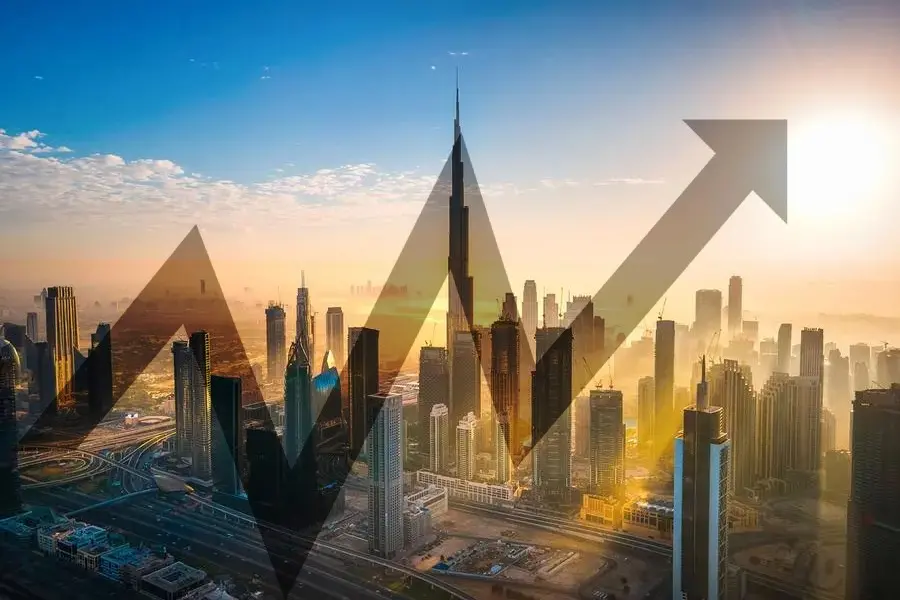
The market maturity does not imply the conclusion of growth but is an indicator of sustainable, quality-based growth. In the case of Dubai, this shift places the emirate in a position whereby it competes not only with the regional markets but also with established global real estate capitals.
The real estate industry in the emirate has outgrown the stage of demonstrating its potential to fulfill its pledge. It is no longer a question of whether the market in Dubai will be able to sustain itself. However, instead, it is more like, how will Dubai keep being innovative under a mature structure?