

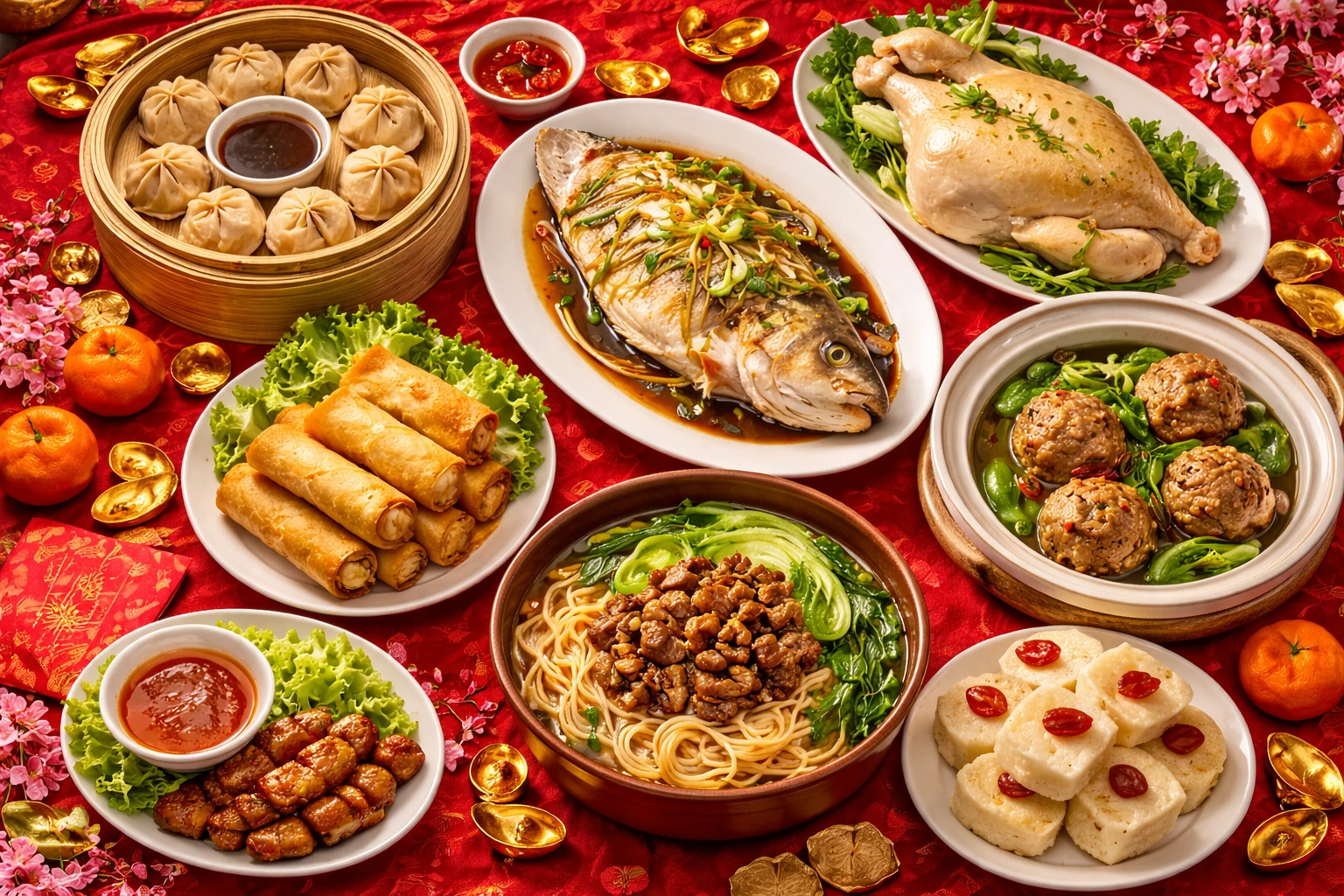
Chinese New Year dishes are more than just festive meals because they carry deep cultural meanings. Families prepare traditional foods that symbolize prosperity, happiness, health, and unity. These dishes are often shared during reunion dinners with loved ones. They help preserve heritage while bringing warmth and celebration to the new year.
Table of Contents
Importance Of Food During the Chinese New Year
Chinese New Year celebrations strongly focus on food traditions and symbolic meals. Families prepare special dishes that represent luck, wealth, and happiness. These foods are often shared during reunion dinners and festive gatherings. The tradition connects generations and keeps cultural values alive.
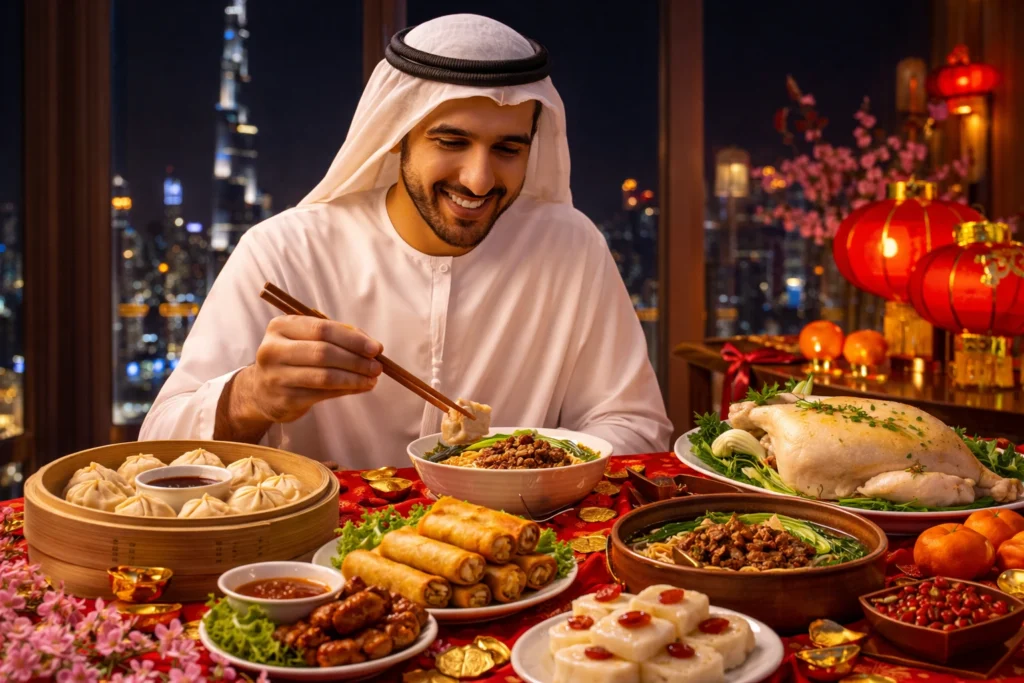
Many Chinese communities around the world continue these food customs. Even people living away from home try to recreate traditional recipes. These meals bring comfort and a sense of belonging. They also help preserve cultural identity during celebrations.
1. Chinese Steamed Whole Fish
Chinese steamed whole fish is one of the most important New Year dishes. The word for fish sounds similar to “surplus” in Chinese culture. This makes fish a symbol of abundance and financial prosperity. Serving the fish whole also represents family unity.
The dish is usually prepared with ginger, soy sauce, and light seasoning. Steaming keeps the fish tender and healthy. Families often leave some fish uneaten for symbolic surplus. This tradition reflects hope for a prosperous year.
2. Hand-Pulled Lamian Noodles
Lamian noodles are known for their long shape and handmade texture. They represent longevity, health, and long life during the Chinese New Year. Many families include noodles in festive meals for good fortune. Slurping long noodles without breaking them is considered lucky.
These noodles are commonly served in broth or stir-fried dishes. The hand-pulling technique requires skill and practice. Their chewy texture adds comfort to festive dining. They remain a popular traditional Chinese celebration food.
3. Whole Chicken Symbolism
Serving a whole chicken is a common Chinese New Year custom. It symbolizes family completeness and togetherness. Presenting the chicken intact shows unity and respect for tradition. Many families include it in reunion dinners.
The chicken is often poached or roasted with simple seasonings. Light flavors highlight the natural taste of the meat. The dish encourages sharing among family members. It reflects harmony and strong family bonds.
4. Lunar New Year Dumplings
Dumplings are perhaps the most famous Chinese New Year dish. Their shape resembles ancient Chinese gold ingots. Because of this, they symbolize wealth and financial success. Families often make dumplings together before the celebration.
Different fillings such as pork, vegetables, or seafood are used. Some families hide a coin inside a dumpling for luck. Eating dumplings at midnight is a common tradition. It marks a hopeful start to the new year.
5. Spring Rolls And Prosperity
Spring rolls are another popular festive Chinese food. Their golden appearance resembles gold bars or wealth symbols. This makes them a sign of prosperity and success. They are often served during New Year’s feasts.
The crispy rolls usually contain vegetables, meat, or noodles. Deep frying gives them a rich texture and flavor. Their name also reflects the arrival of spring. This connects food with seasonal renewal.
6. Lion’s Head Meatballs Tradition
Lion’s Head meatballs are large pork meatballs popular in Chinese cuisine. The name represents strength, power, and good fortune. These meatballs are often served with vegetables or broth. Their round shape symbolizes unity and happiness.
The dish is especially popular in family celebrations. Its rich flavour makes it a festive favorite. Sharing this dish reflects harmony and positive energy. It holds both culinary and cultural significance.
7. Sweet Glutinous Rice Cakes Meaning
Sweet glutinous rice cakes, known as nian gao, are traditional New Year sweets. Their name sounds similar to rising higher each year. This symbolizes career growth, success, and progress. Many families include them in festive menus.
The cakes have a chewy texture and a mildly sweet taste. They can be steamed, fried, or baked in different styles. Some versions include red beans or dates. This dessert completes many Chinese New Year celebrations.
Also Read: Emirates to Offer Iftar Meal Boxes On Flights During Ramadan 2026
Chinese New Year dishes carry deep meaning and reflect centuries of cultural tradition. Each food item represents hopes for prosperity, happiness, health, and family unity in the coming year. Preparing and sharing these meals keeps traditions alive even when living far from home. These symbolic dishes continue to bring people together during one of the most important celebrations in Chinese culture.