

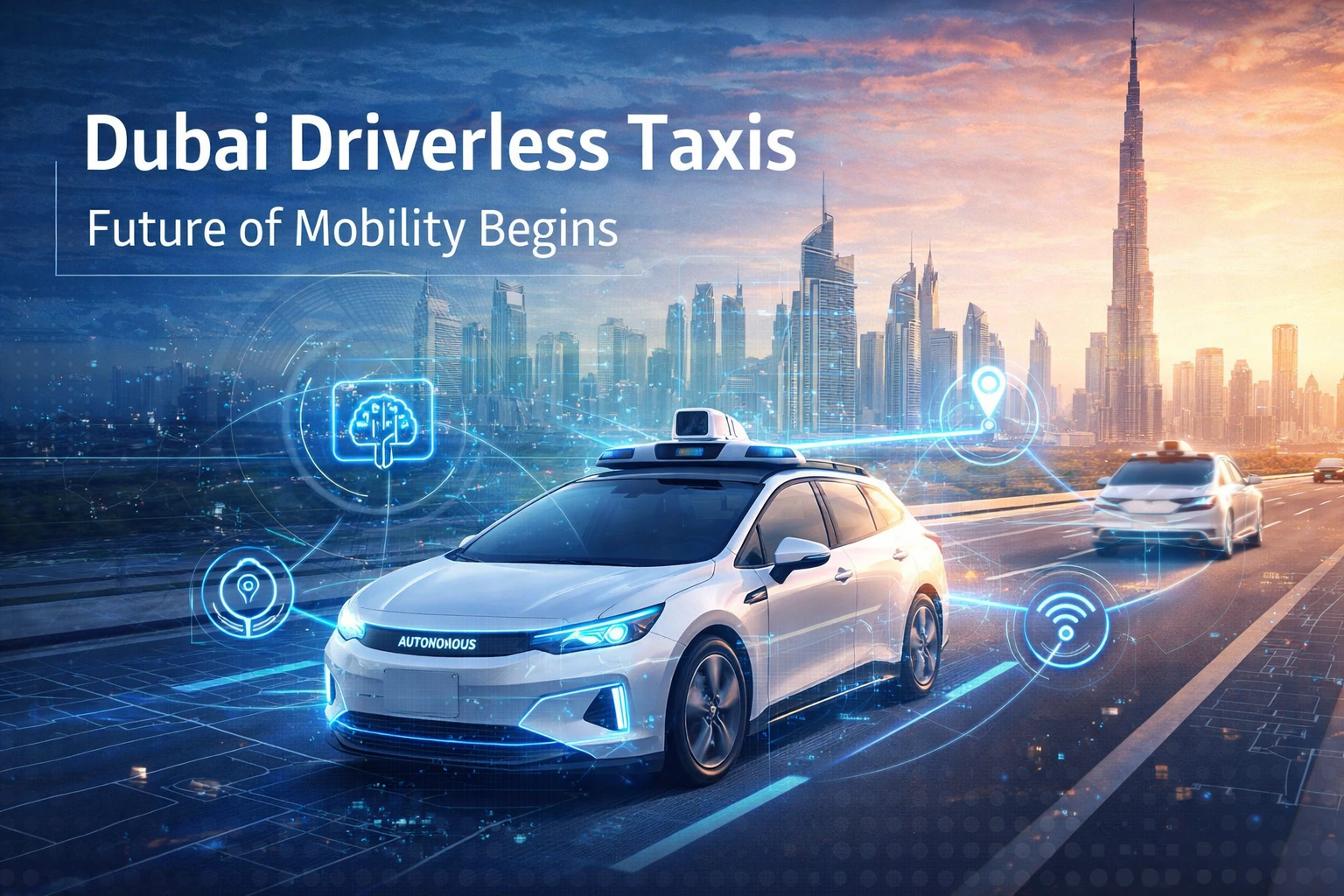
Dubai has officially launched driverless taxi services, marking a major milestone in its smart city journey. The initiative is part of the Roads and Transport Authority’s (RTA) vision to transform urban mobility through advanced technology.
The service is powered by Baidu’s Apollo Go platform, bringing fully autonomous vehicles to selected areas of the city. This step positions Dubai among the global leaders in future transportation.
Table of Contents
Partnership Between RTA and Baidu Apollo Go
The driverless taxi project is the result of a strategic partnership between Dubai’s RTA and Chinese tech giant Baidu. The collaboration focuses on integrating artificial intelligence into public transport systems.
This partnership has moved quickly from planning to execution, highlighting Dubai’s ability to adopt innovative solutions efficiently. The launch reflects strong cooperation between the government and technology companies.
How Driverless Taxis Work in Dubai
The new taxis are fully autonomous and do not require a human driver. They use advanced sensors, cameras, and AI systems to navigate roads safely and efficiently.
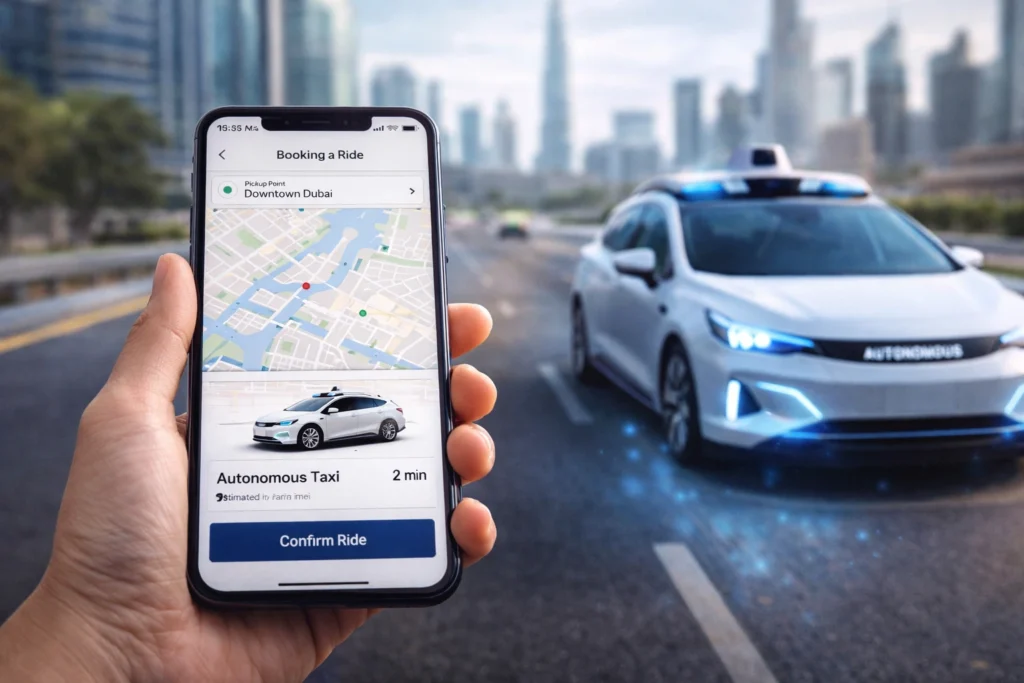
Passengers can book rides through mobile apps, making the service easy and accessible. The system is designed to provide a smooth and seamless travel experience.
Initial Rollout and Service Areas
The first phase of the rollout includes selected areas in Dubai, with services available at multiple locations across the city. Authorities plan to expand coverage gradually based on performance and demand.
The taxis operate 24/7 and are expected to become more widely available as the technology matures. This phased approach ensures safety and reliability.
Plans to Expand to Over 1,000 Vehicles
Dubai has ambitious plans for its driverless taxi program. Authorities aim to deploy more than 1,000 autonomous vehicles in the coming years.
This expansion will significantly increase the availability of driverless rides and reduce reliance on traditional taxis. It also supports Dubai’s long-term smart mobility goals.
Integration with Ride-Hailing Platforms
One of the key features of the new service is its integration with popular ride-hailing platforms. Users will be able to book autonomous taxis through apps like Uber.
This integration makes the transition to driverless transport easier for residents and tourists. It combines familiar booking systems with advanced technology.
Benefits of Driverless Taxi Services
Driverless taxis offer several advantages for urban transport. They can help reduce traffic congestion, improve road safety, and lower operational costs over time.
The use of AI also allows for better route planning and efficient traffic management. This can lead to faster travel times and improved convenience for passengers.
Enhancing Dubai’s Smart City Vision
The introduction of driverless taxis aligns with Dubai’s broader smart city strategy. The city aims to integrate technology into everyday life to improve efficiency and sustainability.
Autonomous transport is a key part of this vision, helping create a more connected and innovative urban environment.
Also Read: 5 Major UAE Updates Residents Need to Know for April 2026
Global Significance of the Launch
Dubai’s move to launch driverless taxis places it among a small group of cities adopting autonomous transport at scale. The initiative has attracted global attention from the technology and mobility sectors.
It also highlights the growing role of AI in shaping the future of transportation. Cities around the world are closely watching Dubai’s progress.
Challenges and Future Outlook
While the launch is a significant step forward, driverless taxis still face challenges. These include safety concerns, regulatory approvals, and public acceptance.
However, continuous testing and improvements are expected to address these issues. As technology evolves, driverless transport is likely to become more common in urban areas.